
Burnt to Perfection: San Sebastian’s Accidental Masterpiece
In the Parte Vieja of San Sebastian, tucked between pintxo bars and old stone churches, sits La Viña. Their burnt cheesecake was never meant to be iconic. It happened by accident: baked too hot, browned too far, creamy beyond reason. Locals adored it. Chefs replicated it. Soon it travelled far beyond the Basque Country, though rarely with the same magic.
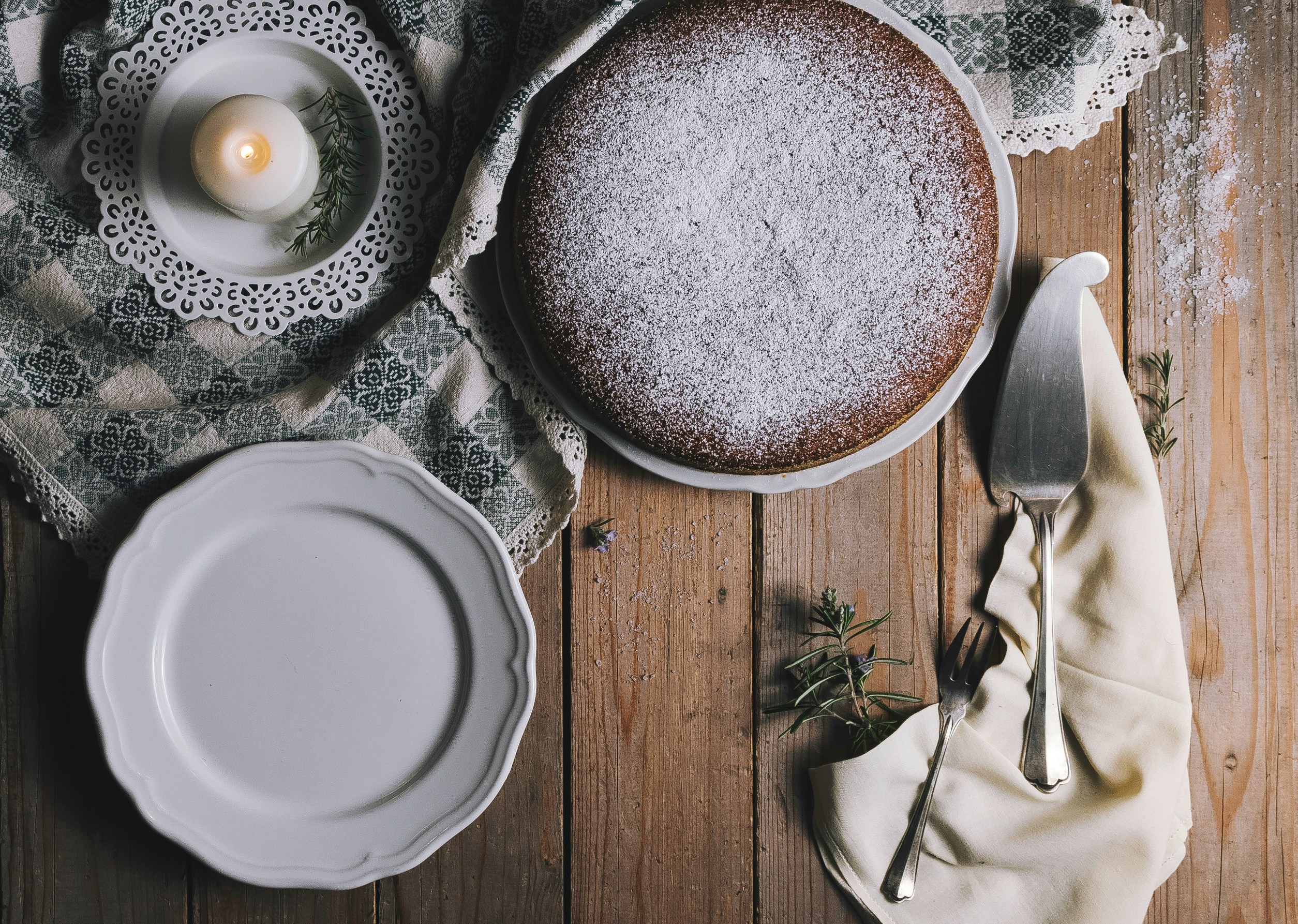
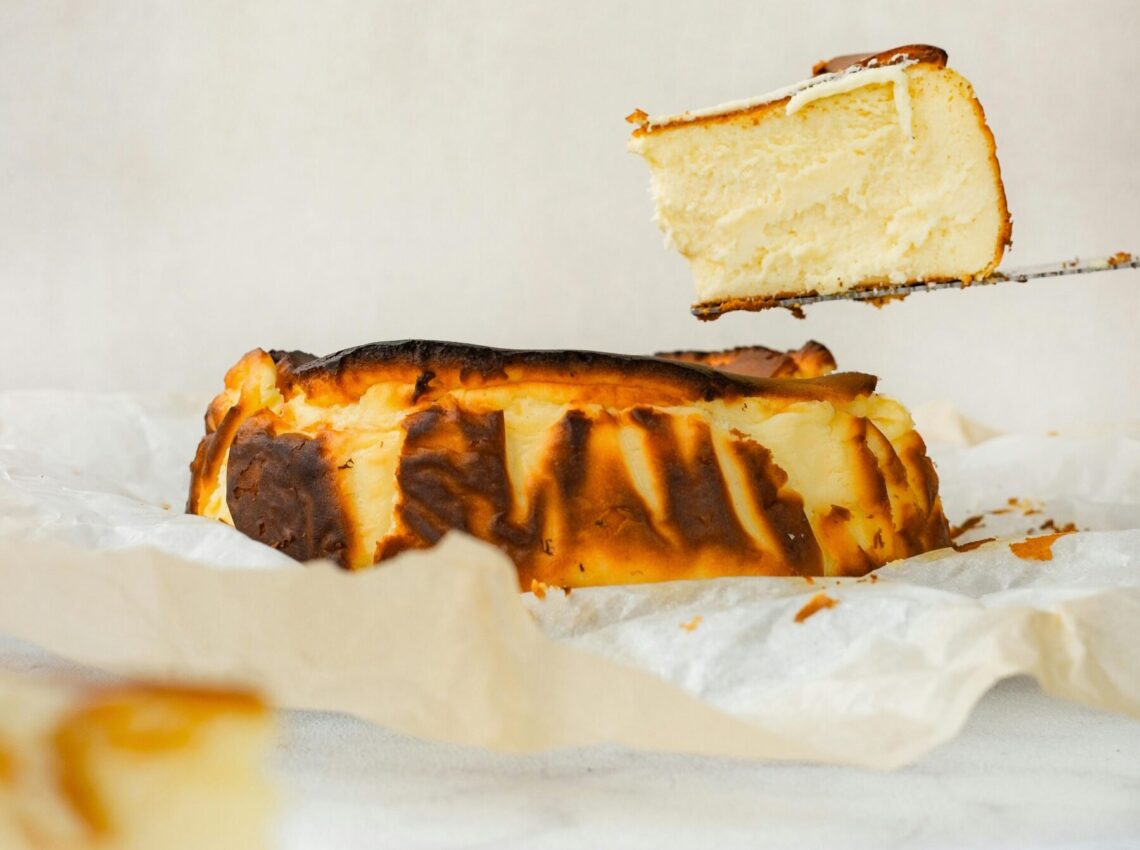
This isn’t New York cheesecake with its smooth top and neat slice. This is something freer. A deeply caramelised surface. A molten, custard-like centre. Bitterness from the burn that balances the sweetness. A wobble that promises richness. Rustic luxury in its purest form.
To make it properly, you need balance, patience and the courage to let it darken.
Why this cheesecake works
The appeal lies in contrast. High heat transforms the top into something caramelised and complex. The centre stays soft because you remove the cake while it still jiggles. As it cools, the texture sets into a silky midpoint between cheesecake and crème brûlée.
Minimal flour keeps it smooth. Room temperature cream cheese prevents lumps. The crinkled parchment is a reminder to not overthink it. The rest comes down to boldness. Let it go darker. Trust the wobble. Give it time to develop.
This is a dessert that rewards confidence.
Ingredients
Serves 8 to 10 from a 20 cm tin
The batter
600 g full-fat cream cheese, at room temperature
250 g caster sugar
4 large free-range eggs
300 ml double cream
15 g plain flour
1 tsp pure vanilla extract or paste
1⁄4 tsp fine sea salt
Optional refinements
Zest of half a lemon
1 tbsp dark rum, brandy or Pedro Ximénez sherry
For the tin
Butter for greasing
Parchment paper with generous overhang
The method
Prepare the tin and oven
Heat the oven to 210°C (fan 190°C). Grease a 20 cm springform tin and line it with parchment that rises well above the rim. Keep the crinkles. They help the cake release cleanly and create the signature look.
Cream the base
Beat the cream cheese and sugar until smooth, pale and glossy. Scrape the bowl often. Any lumps now will stay in the finished cake.
Add the eggs slowly
Mix in the eggs one at a time on low speed. Stop as soon as each one blends in. Too much air leads to cracks.
Build the flavour
Add the vanilla, salt and any optional zest or alcohol. Slowly pour in the double cream and mix until the batter is silky and unified.
Finish with flour
Sift in the flour and fold gently. It adds structure without changing the texture. The batter should remain pourable.
Bake boldly
Pour the batter into the tin. Tap once to release large bubbles.
Bake for 50 to 60 minutes until the top is deeply bronzed, even blackened at the edges. Darkness is the flavour. The centre should wobble significantly when shaken.
For a creamier interior: 48 to 50 minutes
For a firmer texture: 58 to 60 minutes
Cool with patience
Let the cake cool in the tin for 1 hour. Transfer to the fridge for at least 4 hours, preferably overnight. The flavour develops and the texture becomes even more indulgent.
Plating
Remove the parchment in one confident motion. Slice with a hot knife. Let each slice sit for 10 minutes so the centre relaxes to its creamy, almost spreadable state. The contrast between the burnt top and molten middle should be unmistakable.
Finishing touches
Salted honey
Warm 2 tbsp honey with a pinch of sea salt. Drizzle just before serving.
Espresso caramel
Reduce strong coffee, sugar and cream to a glossy sauce that pairs with the bitterness on top.
Crème fraîche
A quenelle adds acidity and balance.
Toasted pistachios or matcha
For colour, texture and restaurant-style plating.
Notes on technique
Start warm. Room temperature cream cheese blends smoothly.
Go darker. The burn adds complexity. Don’t pull it too early.
No interruptions. Keep the oven closed. Let the heat do its work.
Trust the wobble. If the centre looks set in the oven, it has gone too far.
Rest overnight. The flavour becomes deeper and more rounded.
The ritual
This is a dessert that rewards patience. The overnight rest, the warm knife, the gentle slice. At La Viña, they pair it with txakoli, a lightly sparkling Basque wine that cuts through the richness. You don’t need to travel to the Parte Vieja to understand its appeal, though. One bite explains everything: burnt sugar, dense cream, a centre that melts instantly.
It’s rustic and refined at once. A lesson in confidence, simplicity and indulgence. A piece of San Sebastian for your own table.