
The Quiet Alternative to Mykonos (And Why 2026 Is the Year to Go Anyway)
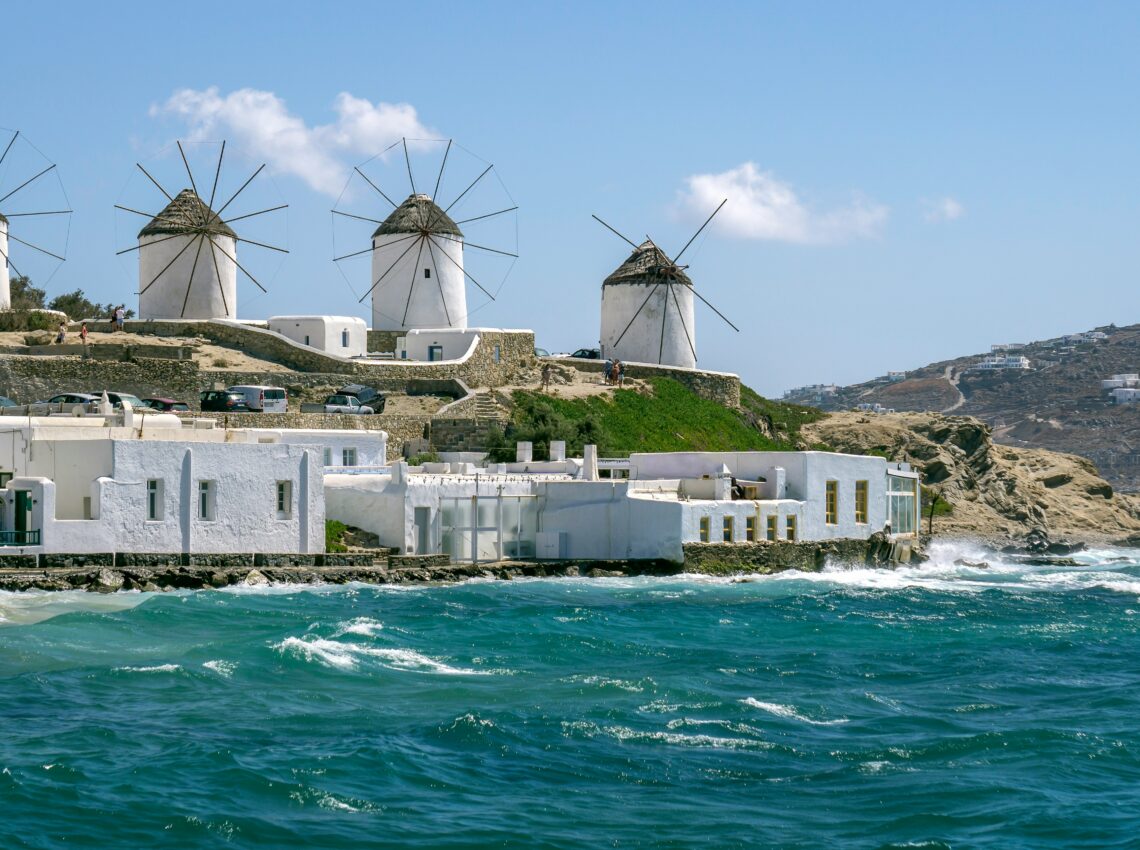
The received wisdom is that Mykonos has priced itself out and emptied. Half of that is true. It is not the half people mean.
The Short Answer
Mykonos has not got quieter. It has got cheaper. Visitor numbers are still rising, but the island’s pricing power has fallen sharply. If you actually want Mykonos, this is the best value year it has had in a decade.
If what you want is quiet, Mykonos was never going to give it to you, at any price. Go to Paros, Naxos, Milos or Syros instead. Syros is twenty five minutes away by ferry and almost nobody makes the crossing.
What Actually Changed
Greece introduced a cruise passenger levy in July 2025. Mykonos and Santorini charge €20 a head in peak season, June to September, falling to €12 in October and €4 through winter. Every other Greek port charges €5.
It did not work as demand management, and the arithmetic explains why. Twenty euros on a four thousand euro cruise fare is a price rise of half a percent. Mykonos cruise volume grew by 16 to 17% despite the charge. The island took 768 cruise ships and around 1.29 million visitors in 2024, and the direction has not reversed.
The number that tells the real story
Forward hotel bookings for 2026 are up 15.1%. Direct-channel revenue is down 19%. That is the widest gap between demand and pricing power of any major Greek destination.
In plain terms: as many people are coming, and they are paying less. Short-term rental oversupply, a shift in which countries the visitors come from, and a wave of new regulation have all landed in the same season. Mykonos is not losing its crowd. It is losing its ability to charge what it used to.
And the regulation is real
Mykonos now carries a formal “saturated” designation under Greece’s national planning framework, alongside Santorini, Rhodes, Corfu and Zakynthos. That brings the island’s first permit freeze, no new short-term rental conversions, and a proposed cut of 20 to 30% in licensed tourist beds against a 2024 baseline.
Worth treating as direction rather than fact for now. The approval deadline has already slipped twice, most recently to 30 June 2026, and legal review is ongoing. If it does land, supply tightens and the current discount closes.
So Should You Go?
| If you want | Then |
|---|---|
| Mykonos itself, the beach clubs, the town, the scene | Go, and go in 2026. You are unlikely to get it cheaper. |
| Mykonos without the crowd | Late September or early October. Warm sea, lower ferry prices, levy down to €12. |
| Cycladic beaches and villages, quietly | Paros or Naxos. Same architecture, same light, a fraction of the traffic. |
| Volcanic drama | Milos. Rent something with clearance and skip the main ports for swimming. |
| A town that works for a living | Syros. Neoclassical Ermoupoli, marble squares, and the administrative capital of the Cyclades. |
Why Syros is the one we would book
Twenty five minutes from Mykonos by ferry, and the difference is total. Ermoupoli is a working town rather than a resort, built in pastel neoclassical mansions around a marble square, and it is where the Cyclades are actually administered from. It is close enough that the contrast is almost comic, and far enough in spirit that nobody bothers.
We cover the stay we would choose there in five Greek hotels, cheapest to most expensive.
The Catch
The islands being recommended as alternatives are the ones filling up next. Paros, Naxos and Milos are all approaching the threshold that would put them into the same saturated category, and every delay to the national framework encourages another rush of rental conversions on exactly those islands.
There is also something worth saying plainly about the levy. Twenty euros a head has not changed cruise behaviour and was never going to. What it has produced is roughly €33 million against a target of €50 to €100 million a year. Paying it does not make your visit lighter on the island, and choosing an island because it charges you less is not the same as choosing one you will be good for.
The Club Reis letter
One considered travel letter a month. A remarkable stay, a local table, and a route worth saving. No daily emails, no filler, unsubscribe whenever you like.
Common Questions
Is Mykonos still worth visiting in 2026?
Yes, and it is better value than it has been in years. What you will not get is quiet. Visitor numbers are still climbing, so go for what Mykonos is rather than hoping it has changed.
How much is the Mykonos tourist tax?
€20 per person per disembarkation in peak season, June to September. It drops to €12 in October and €4 from November to March. It applies to cruise arrivals only, not to people flying or taking a scheduled ferry.
Which island is the quiet alternative to Mykonos?
Paros for a livelier scene with far fewer people, Naxos for beaches and space, Milos for the volcanic coast, Syros for a real town. Andros, Astypalea and Kalymnos go further still and carry no cruise levy at all.
When is the best time to go?
Late September into October. The Aegean is still warm, ferry prices fall, the crowd thins and the levy drops. Late May and early June work for the same reasons in reverse.
Levy rates, booking data and planning-framework status checked September 2026. Greek tourism regulation has moved quickly and deadlines have slipped repeatedly, so confirm before booking.
More in this series: the quiet alternative to Santorini, Bali, and Route 62 against the Garden Route.