
Europe Market Trail Itineraries: Three Routes for Market Lovers
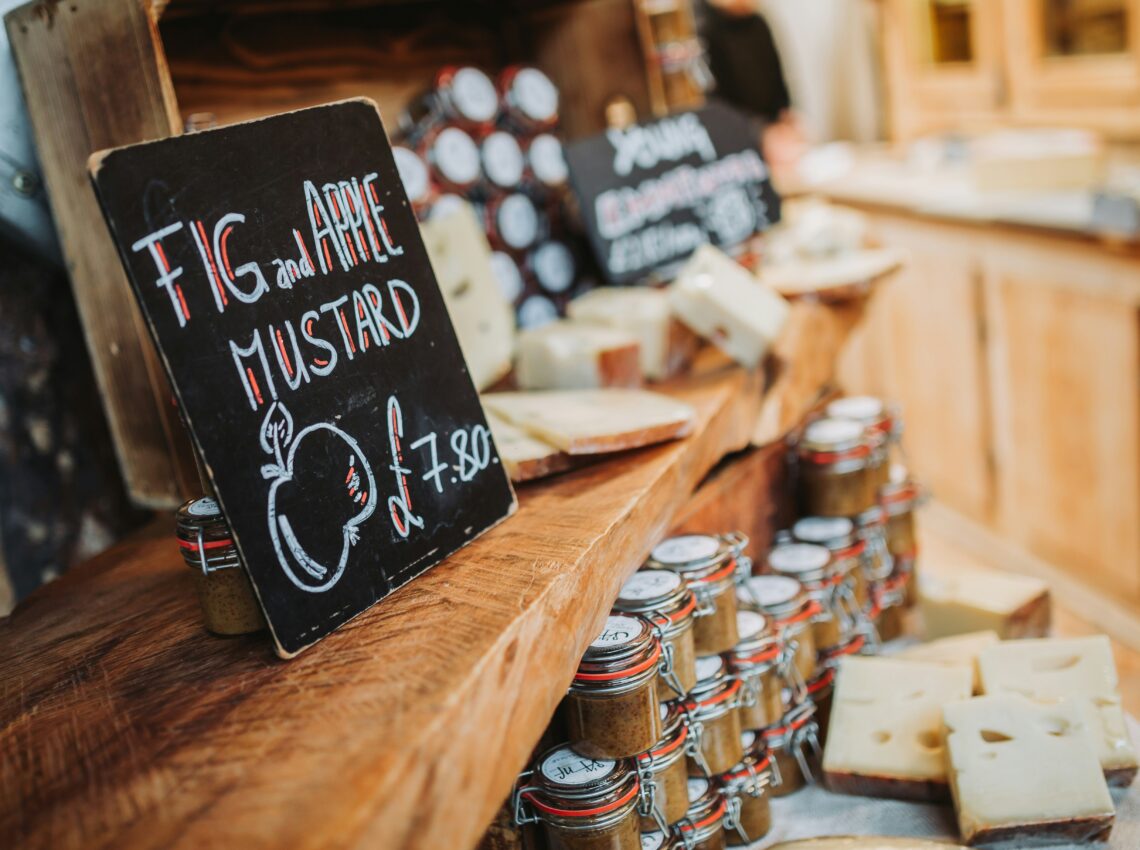
The most common question we hear: “How do I actually connect these markets?”
You’ve bookmarked the Instagram posts. You’ve saved the market names. You know you want to taste aged Comté in Paris and hunt for ceramics in Lisbon. But between inspiration and departure, there’s the practical work of building an actual route.
Which cities pair well together? How much time do you really need? Is it better to fly or take the train? Should you pack light or bring an extra bag from the start?
This guide answers those questions. We’ve built three tested itineraries for market-hopping across Europe. Each route is designed around a different travel style, timeframe, and budget. All three begin in the UK and flow naturally through Europe’s most compelling food markets.
Why These Routes Work
Markets aren’t just destinations—they’re anchors for understanding a city. Consequently, these itineraries are built around rhythm, not rushing. You’ll have time to wander. Time to return to a stall you noticed yesterday. Time to sit with a glass of wine and actually taste it.
Each route includes:
- Realistic transport connections with estimated times and costs
- Suggested time in each city based on market schedules and neighbourhood exploration
- Accommodation guidance for staying near markets
- Flexibility notes for extending or shortening your trip
- Market timing tips to avoid crowds and catch the best selection
Moreover, all three routes are designed to be sustainable. We prioritize trains where practical. We suggest staying longer in fewer places. We encourage slow travel over box-ticking.
Route 1: The Classic Market Trail
London → Paris → Barcelona → Lisbon
7-10 days | Budget: £800-1,500 per person
This is the full European market experience. Four iconic cities. Eight major markets. Countless side streets, neighbourhood bakeries, and unexpected discoveries. It’s ambitious without being exhausting.
Why This Route
These four cities represent different European food identities. London shows you cultural fusion. Paris demonstrates terroir and tradition. Barcelona delivers Mediterranean abundance. Lisbon balances nostalgia with innovation.
The route also flows naturally by train and budget flight. You’re never backtracking. You’re moving south and west, following warmer weather if you’re travelling in spring or autumn.
Day-by-Day Breakdown
Days 1-2: London
- Arrive, settle in
- Borough Market (weekday morning)
- Portobello Road (Saturday if possible)
- Neighbourhood exploration around Notting Hill
Days 3-4: Paris
- Eurostar from London St Pancras (2.5 hours)
- Marché d’Aligre (morning)
- Marché des Enfants Rouges (lunch)
- Natural wine bars in the 11th arrondissement
- Optional: cheese and wine shop crawl
Days 5-6: Barcelona
- Flight from Paris CDG or Orly (2 hours)
- La Boqueria (early morning)
- Santa Caterina Market (afternoon)
- Tapas route through El Born
- Optional: day trip to wine country
Days 7-8: Lisbon
- Flight from Barcelona (2 hours) or overnight train
- Time Out Market (curated food hall experience)
- Feira da Ladra flea market (Tuesday or Saturday)
- Alfama neighbourhood exploration
- Sunset in Bairro Alto
Days 9-10: Buffer & Departure
- Flexibility for delays, extra time in favourite city, or early departure
Transport Details
London to Paris: Eurostar (book 2-3 months ahead for £39-59 tickets)
Paris to Barcelona: Vueling, easyJet, or Ryanair (£30-80)
Barcelona to Lisbon: TAP, Vueling, Ryanair (£25-70) or overnight train via Madrid
Total transport: £95-210 if booked early
Where to Stay
- London: Southwark (near Borough), Notting Hill (near Portobello)
- Paris: 11th or 12th arrondissement
- Barcelona: El Born, Gràcia, or near Santa Caterina
- Lisbon: Alfama, Baixa, or Cais do Sodré
Market Timing
- Borough Market: Tuesday-Saturday (best Thursday-Friday 9-11am)
- Portobello Road: Antiques on Saturday, some stalls daily
- Marché d’Aligre: Tuesday-Sunday mornings
- Enfants Rouges: Tuesday-Sunday 9am-7pm
- La Boqueria: Monday-Saturday 8am-8pm (go before 9am)
- Santa Caterina: Monday-Saturday 7:30am-3:30pm
- Time Out Market: Daily 10am-midnight
- Feira da Ladra: Tuesday and Saturday mornings
How to Extend This Route
Add 2 days: Split between Barcelona (beach day, Montjuïc) and Lisbon (Belém, Sintra day trip)
Add 4 days: Include San Sebastian (between Barcelona and Lisbon) for pintxos culture and La Bretxa market
Add a week: Add Porto (north of Lisbon) for Mercado do Bolhão and port wine cellars
Budget Breakdown (per person)
- Accommodation: £40-80/night (£280-640 total)
- Transport: £95-210
- Food: £40-60/day (£280-480)
- Markets/shopping: £100-300
- Total: £755-1,630
Route 2: The Slow Food Lover’s Trail
London → Paris → Lisbon
5-7 days | Budget: £600-1,000 per person
Skip the crowds of Barcelona. Instead, spend more time in each remaining city. This route prioritizes depth over breadth. Consequently, you’ll take cooking classes. You’ll return to favourite stalls. You’ll become a regular, even if just for a week.
Why This Route
Three cities give you breathing room. You can dedicate full days to market exploration without feeling rushed. Moreover, you have time for the experiences that make travel meaningful: a wine tasting, a walking food tour, a long lunch that stretches into dinner.
This route also works beautifully for food professionals, writers, or anyone who wants to truly understand each city’s culinary culture rather than simply photograph it.
Day-by-Day Breakdown
Days 1-2: London
- Borough Market (two visits: once for shopping, once for eating)
- Portobello Road
- Optional: cooking class focusing on British ingredients
Days 3-4: Paris
- Eurostar from London (2.5 hours)
- Full morning at Marché d’Aligre
- Lunch at Marché des Enfants Rouges
- Wine shop crawl in the 11th
- Optional: cheese tasting or baking workshop
Days 5-7: Lisbon
- Overnight train Paris-Lisbon (via Irun/Madrid) or flight
- Time Out Market
- Feira da Ladra flea market
- Full day in Belém (markets, pastéis, monasteries)
- Optional: Sintra day trip, petiscos cooking class
Transport Details
London to Paris: Eurostar (£39-59 if booked early)
Paris to Lisbon: Overnight train via Spain (€100-180 for sleeper) OR flight (£30-80)
Total transport: £70-140
The Overnight Train Experience
The Paris-Lisbon train is an adventure itself. However, it requires commitment: 24+ hours, changes in Irun and/or Madrid, and advance booking. That said, it’s romantic, sustainable, and you wake up in Iberia.
Alternatively, a direct flight takes 2.5 hours and costs about the same as a basic train ticket.
Market Timing Strategy
With more time in fewer cities, you can:
- Visit markets on different days (weekday vs weekend atmosphere varies significantly)
- Return to favourite stalls and build rapport with vendors
- Time your visit around special market events (seasonal harvest days, night markets)
How to Extend This Route
Add 2 days in Paris: Visit Versailles market (Saturday morning), take a half-day food tour, explore markets in the Marais
Add 2 days in Lisbon: Porto day trip, Setúbal fish market, cooking class focusing on Portuguese regional cuisine
Budget Breakdown (per person)
- Accommodation: £40-70/night (£200-420 total)
- Transport: £70-140
- Food: £40-60/day (£200-360)
- Cooking class: £60-100
- Markets/shopping: £80-200
- Total: £610-1,220
Route 3: The Long Weekender
London → Paris
3 days | Budget: £300-500 per person
Perfect for a first market-hopping trip. Eurostar makes it seamless. Two cities. Four markets. Enough time to eat very, very well.
Why This Route
Sometimes you don’t need a grand tour. You just need a long weekend that feels like an adventure. This route delivers exactly that: the satisfaction of international travel without the complexity of multiple flights or extensive planning.
Moreover, London and Paris are the two most accessible European market cities. Both have extensive public transport. Both welcome English speakers. Both offer markets that are as authentic as they are visitor-friendly.
Day-by-Day Breakdown
Day 1: London
- Morning at Borough Market
- Lunch from market stalls
- Afternoon exploring Southwark or crossing to Portobello Road
- Dinner in Soho or Shoreditch
Day 2: Paris
- Morning Eurostar (arrive Paris Gare du Nord around noon)
- Check into accommodation in the 11th or 12th
- Afternoon at Marché des Enfants Rouges
- Evening wine bar crawl
Day 3: Paris
- Morning at Marché d’Aligre
- Shopping for take-home items (cheese, spices, preserves)
- Lunch in the 12th arrondissement
- Afternoon return to London or extend stay
Transport Details
London to Paris: Eurostar return (book 2-3 months ahead: £78-118 return)
Tip: Friday evening departure, Monday morning return = minimal time off work
Packing for the Long Weekender
Since you’re only doing two cities, pack strategically:
- Small carry-on for clothes
- Collapsible tote for market purchases
- Insulated bag if you’re bringing cheese home
- No checked luggage needed
Market Timing
Friday evening: Arrive London, casual dinner
Saturday morning: Borough Market at its busiest (part of the experience)
Saturday afternoon: Portobello Road antiques
Sunday mid-morning: Eurostar to Paris
Sunday afternoon: Settle in, explore, light market visit to Enfants Rouges
Monday morning: Marché d’Aligre (locals shopping, quieter atmosphere)
Monday afternoon: Return home
How to Extend This Route
Add 1 day: Stay Sunday night in London, take Monday morning Eurostar, return Tuesday evening
Add 2 days: Include Wednesday-Thursday for deeper Paris exploration (Versailles market, cooking class, museum day)
Budget Breakdown (per person)
- Accommodation: £50-80/night (£100-160 total for 2 nights)
- Transport: £78-118 (Eurostar return)
- Food: £40-60/day (£120-180)
- Markets/shopping: £50-100
- Total: £348-558
Practical Planning Notes
Best Time to Travel
Spring (April-May): Perfect weather, seasonal produce, markets aren’t too crowded yet
Early Autumn (September-October): Harvest season, warm weather, fewer tourists than summer
Avoid: August (many European businesses close, markets can be understaffed), December holidays (crowded, rushed)
Booking Timeline
3 months ahead: Book Eurostar, accommodation in popular neighbourhoods
2 months ahead: Book budget flights, research market schedules
1 month ahead: Reserve cooking classes, special food tours
1 week ahead: Check market holiday closures, make restaurant reservations
What to Pack
- Reusable bags: At least three (one for each market day)
- Comfortable walking shoes: You’ll walk 10-15km daily
- Layers: Markets are often cooler than streets
- Collapsible cooler bag: For bringing cheese/charcuterie home
- Empty duffel: For souvenirs and food items
Currency & Payment
- UK: Pounds sterling, cards widely accepted
- France/Spain/Portugal: Euros, many small market stalls cash-only
- Tip: Withdraw €100-150 in cash upon arrival for market purchases
Travel Insurance
Consider coverage that includes:
- Trip cancellation (in case market-specific events are cancelled)
- Lost luggage (particularly important if bringing food home)
- Medical coverage across all countries
Making Your Choice
Choose the Classic Trail if you want the full experience and have 7-10 days to dedicate
Choose the Slow Food Trail if you prefer depth, have 5-7 days, and want time for cooking classes or food tours
Choose the Long Weekender if you’re testing the waters, working with a long weekend, or want maximum impact with minimal planning
Whichever route you choose, remember: the best market experiences happen when you’re not rushing. Leave space for spontaneity. Return to stalls that intrigue you. Strike up conversations. Let the markets lead.
What to Pack Home
Now that you’ve planned your route, what should you actually buy and bring home?
We’ve created a comprehensive shopping guide covering the best cheeses, spices, wines, and artisan objects from each city—plus expert tips for travelling with food souvenirs.
View The Essential Club Reis European Market Shopping List →
Ready to Book?
Start with accommodation near your first market. Book transport between cities. Then let the rest unfold.