
Mana Pools: Walking and Canoe Safaris on the Zambezi
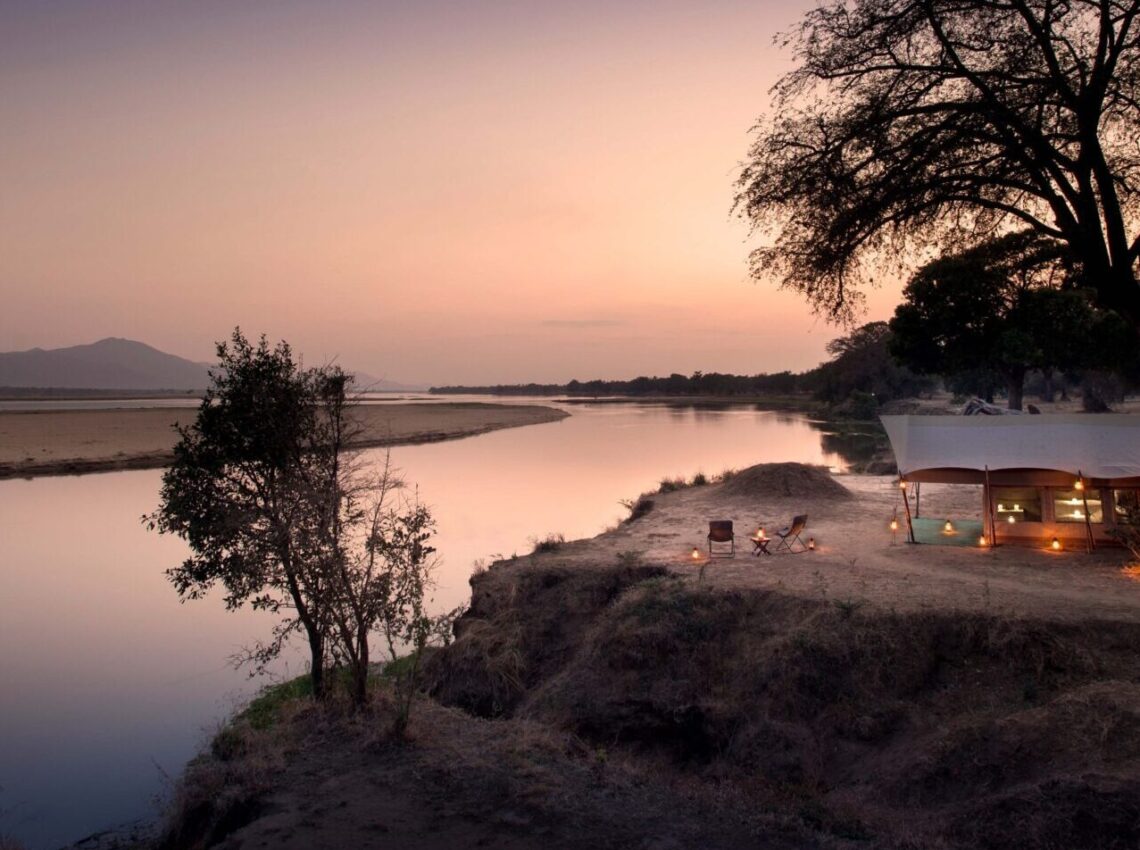
Your canoe glides through still water, barely disturbing the surface. Ahead, an elephant wades belly deep, trunk curled above the current as it crosses from one bank to the other. The guide behind you says nothing, just adjusts the paddle to keep distance and angle. The only sounds are water dripping from your oar and the low rumble of the elephant as it climbs onto the opposite shore. This is Mana Pools at dawn, where the boundary between observer and observed dissolves into something quieter and more immediate.
Set along the lower Zambezi in northern Zimbabwe, Mana Pools National Park is one of Africa’s few places where you can walk and paddle among big game without the barrier of a vehicle. The floodplains stretch wide and open beneath ancient albida trees. Elephants stand on their hind legs to reach seedpods high in the branches. Lions rest in the shade. Hippos wallow in channels that wind through the bush. The landscape feels primordial, unhurried, and profoundly wild.
This is slow travel safari at its most elemental. No game drives, no engine noise, just your footsteps on sand and the rhythm of a paddle through water. It asks for patience, attention, and a willingness to move at the pace of the river. What it offers in return is intimacy with the wild that few other places can match.
The Landscape
Mana Pools lies on the southern bank of the Zambezi, opposite Zambia’s Lower Zambezi National Park. The name comes from the four permanent pools fed by the river, which sustain wildlife year round. During the dry season, these pools become magnets for elephants, buffalo, and predators. The floodplains between them stretch flat and golden, dotted with massive albida trees whose twisted limbs provide shade and food.
The Zambezi here is wide and calm, broken into channels and islands covered in thick vegetation. Sandbanks emerge as the water level drops, creating temporary beaches where crocodiles sun themselves and carmine bee eaters nest in the soft earth. The escarpment rises in the distance, a dark line of hills that frame the valley.
What makes Mana Pools unusual is its accessibility. UNESCO designated it a World Heritage Site in 1984, recognizing both its ecological importance and its unique model of low impact tourism. Unlike most African parks, Mana allows visitors to explore on foot in certain zones, provided they follow strict guidelines. This openness creates a sense of freedom rare in wildlife areas, but it also demands respect and awareness.
Walking in Big Game Country
To walk on foot where elephants feed and lions hunt is to recalibrate your senses. Everything sharpens. You notice the wind direction, the angle of light, the prints in the sand. Your guide moves ahead, scanning constantly, reading signs invisible to untrained eyes. A fresh lion track. Elephant dung still steaming. The alarm call of a baboon.
Walking safaris in Mana Pools are led by professional guides trained in tracking, animal behavior, and emergency response. They carry rifles, though their real tools are knowledge and judgment. The goal isn’t to get close to dangerous animals but to move through their territory respectfully, observing without disturbing.
You might spend an hour watching a herd of elephants browse beneath albida trees, the bulls reaching impossibly high for seedpods. You could track a pride of lions to their midday resting spot and sit quietly downwind while they doze. Sometimes the most memorable moments are the smallest: a lilac breasted roller on a branch, the intricate pattern of a python’s scales, the way light filters through acacia thorns.
The adrenaline is real but controlled. Your guide knows when to advance, when to hold still, when to retreat. The sensation isn’t fear so much as aliveness, every nerve attuned to the environment. This is what people mean when they talk about being truly present in the wild.
Paddling the Zambezi
Canoe safaris offer a different kind of intimacy. You launch at dawn when the river is glass smooth and the air still cool. Mist rises from the water. Fish eagles call from the trees. The guide steers from the stern while you paddle gently in the bow, keeping the canoe stable and quiet.
The Zambezi reveals itself slowly from this angle. Hippos surface nearby, eyes and ears breaking the water, exhaling in great snorts before submerging again. Crocodiles slide off sandbanks as you approach. Elephants come down to drink, sometimes entire herds lining the bank, trunks dipping into the current. You drift past them at a respectful distance, close enough to hear the rumble of their stomachs and see the texture of their skin.
Islands appear and disappear depending on water levels. Channels branch and reconnect, creating a maze of waterways shaded by overhanging trees. Birds are everywhere: African skimmers, egrets, cormorants, kingfishers. The pace is meditative, the river dictating speed and direction. Hours pass without you noticing.
Multi day canoe safaris move downstream, camping on islands or along the riverbank each night. Mobile camps are set up in advance, with tents, meals, and basic facilities waiting when you arrive. Days follow a pattern: paddle in the morning, rest during the heat of midday, explore on foot in the afternoon, gather around the fire at night. It’s simple, physical, immersive. By the third day, you’ve shed the rhythms of normal life and fallen into the slower tempo of the river.
Where You Stay
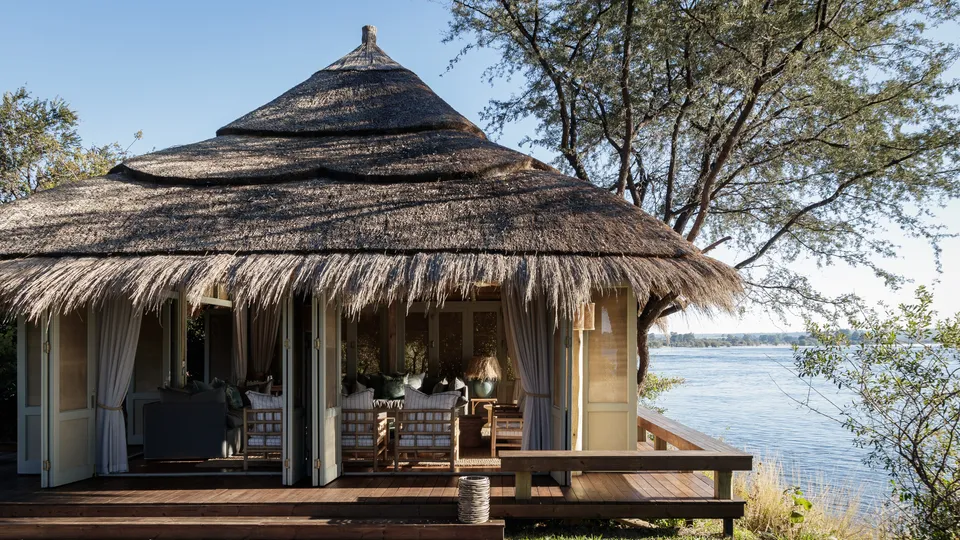
Accommodation in Mana Pools ranges from mobile tented camps to semi permanent lodges, all designed to minimize impact and maximize the sense of wilderness. Mobile camps move with the seasons and the wildlife, ensuring proximity to the best viewing areas. Tents are walk in style with proper beds, en suite bucket showers, and simple but comfortable furnishings. Meals are cooked over open fires. Lanterns provide light after dark.
Lodges like Ruckomechi or Kanga Camp offer more permanence while maintaining the same bush aesthetic. Canvas and thatch structures open to the river. Private decks overlook the floodplain. Service is attentive but understated, the focus always on the environment rather than the amenities.
Some operators offer fully guided safaris where everything is arranged, from permits to meals to guiding. Others cater to self drive visitors who bring their own camping gear and explore independently within designated areas. The latter requires a special permit and solid bush experience, but it allows complete freedom to set your own pace.
The Wildlife
Mana Pools is famous for its elephants, particularly the bulls that have learned to stand on their hind legs to reach albida pods. Watching a full grown elephant balance on two legs, front feet against the trunk, stretching for food high above, is one of the park’s signature sights. It happens most often in the dry season when other food sources have diminished.
Buffalo move through in large herds, often numbering in the hundreds. Lions follow them, and you’ll frequently find prides resting near waterholes or under shade trees during the heat of the day. Leopards are present but elusive, more often heard than seen. Wild dogs pass through occasionally, their packs ranging over vast territories.
The birdlife is exceptional. Over 350 species have been recorded, from tiny malachite kingfishers to massive saddle billed storks. Carmine bee eaters nest in the riverbanks during breeding season, filling the air with flashes of crimson. African fish eagles perch in tall trees, their distinctive call echoing across the water.
Hippos and crocodiles dominate the aquatic environment. Hippos graze on land at night and spend their days submerged in pools and channels. Crocodiles bask on sandbanks, motionless for hours until prey comes within range. Both demand respect and distance, especially during canoe trips.
Seasons and Timing
The dry season from June to October is when Mana Pools truly comes alive. As water sources dry up across the region, animals concentrate along the Zambezi. Early in the season, around June and July, the bush is still relatively green and temperatures are mild. Mornings can be cool enough for a light jacket.
By August and September, the heat intensifies and the landscape turns golden brown. Wildlife viewing reaches its peak as animals gather at the remaining pools. Elephants appear in large numbers. Buffalo herds dominate the floodplains. The Zambezi becomes the only reliable water source for kilometers.
October marks the end of the dry season and the beginning of the buildup to the rains. Temperatures soar, often exceeding 40 degrees Celsius. The air feels heavy, charged with anticipation. This is the hottest time but also potentially the most dramatic for wildlife photography as animals crowd the shrinking waterholes.
The wet season from November to April sees the park transform. Rains turn the floodplains green. Migratory birds arrive. Many camps close as roads become impassable and wildlife disperses. This isn’t prime visiting time, but for those who do come, the solitude and lush scenery offer a different kind of beauty.
What to Bring
Neutral colored clothing in lightweight, quick drying fabrics works best. Khaki, olive, beige—colors that blend with the bush. Long sleeves and pants protect from sun and insects. A wide brimmed hat is essential during the heat of the day.
Bring a good hydration system. Canoe days and walking safaris can last hours under intense sun. Dry bags protect cameras, phones, and other electronics from splashes and humidity. A small daypack carries sunscreen, insect repellent, and binoculars.
Layers matter early in the season when mornings start cool and afternoons heat up. A light fleece or jacket for June and July mornings makes a difference. By September and October, you won’t need it.
Good walking shoes or lightweight boots provide ankle support on uneven terrain. Sandals work for camp and canoe trips but not for walks. Sunglasses, a headlamp, and a reusable water bottle round out the essentials.
Combining Mana with Other Destinations
Mana Pools pairs naturally with Victoria Falls and Hwange National Park, creating a comprehensive Zimbabwe safari circuit. All three share the same dry season window from June to October, making logistics straightforward.
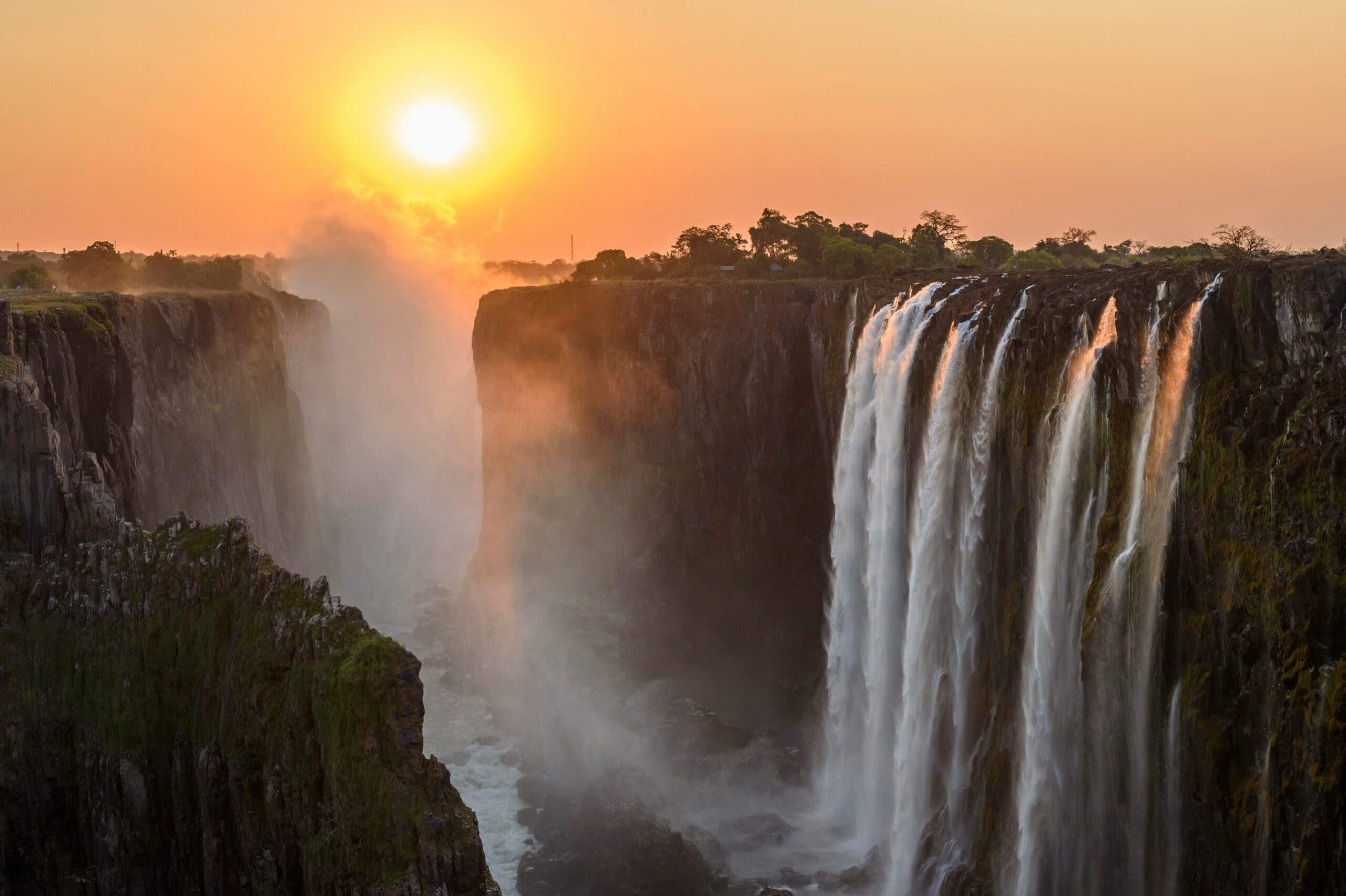
Victoria Falls offers spectacle and energy, the Zambezi at its most powerful. Hwange provides classic game drive safaris with large elephant populations and excellent lion sightings. Mana Pools brings intimacy and immersion, the chance to experience the bush on foot and by canoe. Together, they showcase Zimbabwe’s range: from thundering waterfalls to quiet floodplains, from vehicle based safaris to walking and paddling adventures.
Travel between them is relatively easy. Flights connect Victoria Falls, Hwange, and Mana Pools for those short on time. Self drive is possible for experienced travelers with 4×4 vehicles, though roads can be challenging. Most visitors combine a few days at Victoria Falls, a few days in Hwange, and three to five days in Mana Pools for a balanced two week itinerary.
Practical Notes
Mana Pools requires park fees payable in US dollars. The KAZA UniVisa covers multiple entries between Zimbabwe and Zambia if you’re visiting both sides of the Zambezi. Confirm with lodges and operators whether they accept card payments or prefer cash.
Unguided walking is permitted only in specific zones and requires a special permit. Most visitors join guided safaris for safety and the benefit of expert knowledge. Mobile operators and lodges handle permits and logistics, simplifying the planning process.
Malaria is present year round. Consult a travel health clinic before departure and take appropriate precautions including prophylactics, insect repellent, and long sleeves at dawn and dusk.
Why Mana Pools Matters
There are places in Africa where wildlife feels abundant and accessible, where you drive from sighting to sighting and check species off a list. Mana Pools isn’t that. Here, the experience is less about what you see and more about how you see it. On foot, you notice details. In a canoe, you move with the current instead of fighting it. The pace forces you to slow down, to pay attention, to be present.
This is what makes Mana Pools special. Not the game density, though that can be extraordinary. Not the luxury, though the camps are comfortable. It’s the access, the intimacy, the sense that you’re a guest in this landscape rather than an observer passing through. You walk where elephants walk. You paddle past hippos at eye level. You sit on the sand while the sun sets over the Zambezi and realize you haven’t looked at your phone in three days.
The wild becomes familiar without losing its edge. You learn to read the signs, to understand the rhythms, to respect the boundaries. And when you leave, you carry that awareness with you—the knowledge that true luxury isn’t about what’s provided but about what’s stripped away, leaving only the essential: water, wilderness, and time.
The Zambezi flows. The elephants stand on their hind legs. You paddle, you walk, you watch. And for a few days, that’s enough.
Discover more African safari experiences in our Travel collection.
Image: African Bushcamps