
Puerto Rico’s Heartbeat: The Cultural Side of San Juan
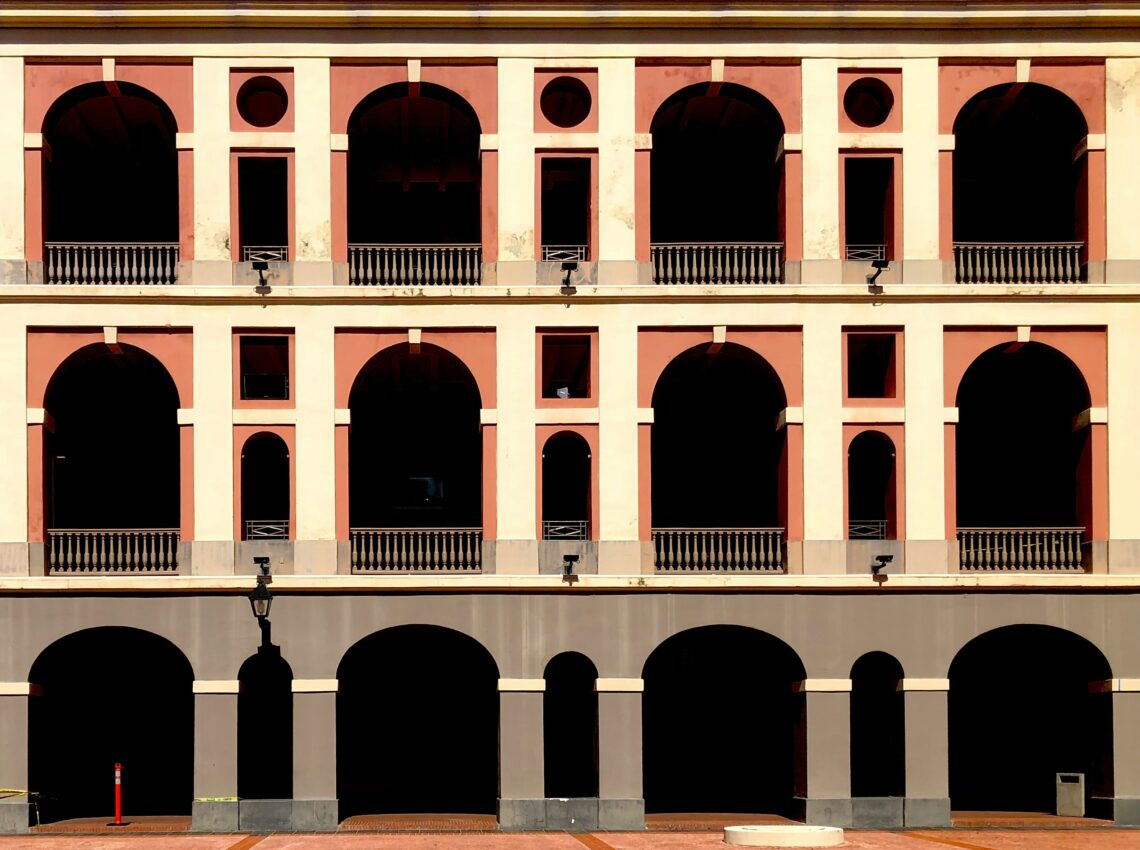
San Juan hums with history and creativity. The city’s streets pulse with rhythm and color, from Old San Juan’s pastel-hued colonial facades to Santurce’s muraled walls, where every alley tells a story. Therefore, this guide moves through a day of sensory encounters with the city’s living culture, where music, art, and heritage blend seamlessly into everyday life.
Historic Streets and Plazas
Begin in Old San Juan, where cobblestones glint under morning light and colonial buildings lean over narrow streets. First, Paseo de la Princesa opens onto the bay; the promenade is lined with lanterns and the gentle spray of the ocean. Here, fountains gurgle beneath centuries-old arches, and the city’s history feels tangible. Subsequently, head to Plaza de Armas, the heart of the old city. This plaza pulses with vendors selling handcrafted goods, local coffee, and the occasional street musician warming up for the day.
Modern Canvas: Art and Murals
Moving on, Santurce is San Juan’s modern canvas. Calle Loíza and Calle Cerra host murals that range from bold abstract shapes to hyperrealistic portraits. Lush color wraps entire buildings, thus inviting exploration and discovery. Galleries like Museo de Arte Contemporáneo de Puerto Rico present rotating exhibitions by Puerto Rican and Caribbean artists. In addition, public installations, pop-up studios, and community art projects animate the streets, turning every corner into an opportunity for surprise and delight.
The Ever-Present Music in the Streets
Music is omnipresent in San Juan. For instance, at La Placita, the air vibrates with salsa in the evenings as locals move effortlessly between dining, dancing, and conversation. Jazz pours from intimate bars, reggaetón from open-air cafés, and rumba drums call passersby to gather. Moreover, performances feel organic, part of the city’s pulse rather than a staged show, and the sounds mingle with smells of street food, sea breeze, and the warmth of sunlight on stone.
Exploring Cultural Hubs
La Perla, perched above the sea on the north edge of Old San Juan, is both history and community. Specifically, walking its narrow lanes, you encounter murals, music, and workshops where residents craft ceramics, paintings, and textiles. Meanwhile, Casa Blanca, the former residence of Ponce de León’s family, offers quiet reflection, manicured gardens, and glimpses into colonial life. Furthermore, in Santurce, the art-filled Lote 23 transforms by day into a casual gallery of food and creativity, where chefs and artisans share space in a rhythm uniquely San Juan.
Experiential Moments
To truly connect with the city, sit on a shaded bench in Old San Juan while a guitarist strums gentle chords. Trace your fingers along hand-painted tiles in a centuries-old church. Join a morning class at Taller de Fotografía in Santurce and capture the city’s energy through your own lens. Alternatively, attend a late-night bomba or plena session, where dancers and drummers create an intimate dialogue between movement and history. Ultimately, these encounters reveal San Juan as a city that moves fluidly between past and present, tradition and innovation.
When and How to Go
Visit during the dry season from December to April for the most comfortable weather and the liveliest street life. Festivals, including the San Sebastián Street Festival in January, bring music, parades, and artisan markets to the forefront, creating a fully immersive cultural experience. Even outside festival periods, weekday mornings offer quiet streets and soft light for photography, while evenings reveal the city’s vibrant nightlife.
Practical tips: Wear comfortable shoes for cobblestones and uneven streets. Carry a water bottle, sunscreen, and a small backpack for market finds. Since public transportation is limited, rideshare or walking between districts is easiest. Galleries and studios often adjust hours seasonally, so confirm before visiting. Finally, keep valuables close in crowded plazas.
Why San Juan’s Culture Matters
San Juan is more than a destination—it is a living story. Its streets, music, and art are evidence of resilience, creativity, and continuity. As a result, walking through its neighborhoods, you feel a connection to generations who shaped the city and to the artists and musicians who continue to define it. Experiencing San Juan in this way is an education in rhythm, color, and spirit. You leave carrying the memory of painted walls, echoed songs, and streets that have learned to dance.
Discover more in our Travel collection.