
The Essential Club Reis European Market Shopping List
Cheeses, Spices, Wines & Artisan Finds Worth the Journey Home
You’re standing in front of a cheese counter in Paris. The monger is offering you a taste of Comté aged for 24 months. It’s extraordinary. You want to bring it home. But will it survive the journey? Should you buy it now or on your last day? How do you even pack cheese in a suitcase?
These questions come up at every market. Consequently, travellers either buy nothing (playing it too safe) or buy everything (and watch it spoil before customs). Neither approach works.
This guide solves that problem. We’ve curated the essential shopping list for market-hopping across Europe. Every item has been tested for travel-worthiness. Every recommendation comes with practical packing advice. Moreover, we’ve organized everything by category, so you know exactly what to hunt for in each city.
Think of this as your shopping companion. The list you keep open on your phone while wandering through Borough Market or Marché d’Aligre. The reference you check before deciding whether that gorgeous ceramic bowl is worth the luggage space.
How to Use This Guide
Before You Travel:
- Read through each category
- Note which items interest you
- Check customs regulations for your home country
- Pack accordingly (extra bags, bubble wrap, cooler bag)
While Shopping:
- Reference the city-specific recommendations
- Ask vendors about vacuum-sealing options
- Buy heavier items early if shipping them home
- Save fragile items for your last stop
After Purchase:
- Keep receipts for customs
- Pack strategically (we’ll show you how)
- Label everything clearly
- Consider shipping larger items
Cheese: What to Pack & How to Bring It Home
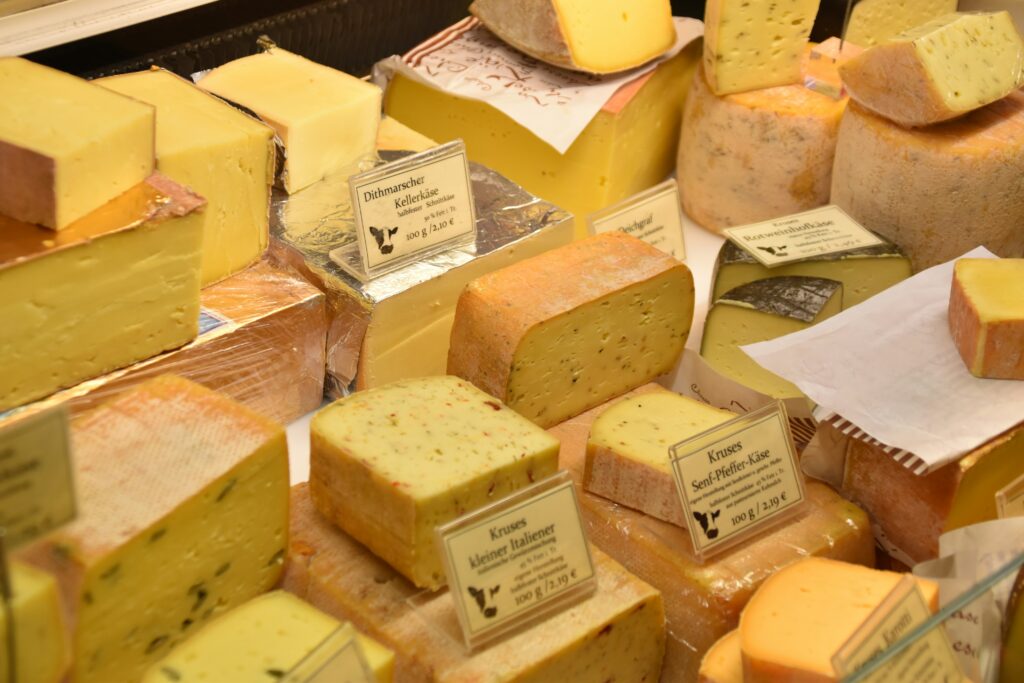
Cheese is the most requested shopping category. It’s also the trickiest to transport. However, with proper planning, you can bring home spectacular cheeses that simply aren’t available elsewhere.
The Best Travel-Friendly Cheeses
From Paris:
Aged Comté (18-24 months)
- Why: Complex, nutty, crystalline texture
- Where: Any fromagerie at Marché d’Aligre
- Travel notes: Hard cheese travels beautifully. Vacuum-sealed lasts 2-3 weeks unrefrigerated.
- Weight: 500g wedge = £12-15
Mimolette Extra Vieille
- Why: Bright orange, intense, crumbly
- Where: Fromagerie Laurent Dubois (multiple locations)
- Travel notes: Very hard, nearly indestructible. Perfect for long journeys.
- Weight: 300g piece = £8-10
Ossau-Iraty AOP
- Why: Sheep’s milk from the Pyrenees, firm and fruity
- Where: Most Paris market cheese counters
- Travel notes: Semi-hard, travels well wrapped in wax paper
- Weight: 400g wedge = £10-12
From Barcelona:
Manchego Curado (12+ months aged)
- Why: Spain’s most famous cheese, for good reason
- Where: La Boqueria, Santa Caterina cheese stalls
- Travel notes: Hard sheep’s milk cheese. Extremely travel-stable.
- Weight: 500g wedge = €10-13
Mahón Reserva
- Why: Menorcan cheese, salty and sharp
- Where: Specialty cheese stalls at Santa Caterina
- Travel notes: Hard, waxy rind protects it. Can travel unrefrigerated for days.
- Weight: 400g piece = €8-11
From Lisbon:
Queijo da Serra DOP (semi-cured)
- Why: Portugal’s finest, made from sheep’s milk
- Where: Time Out Market cheese vendors, traditional shops in Baixa
- Travel notes: Semi-soft when young, firmer when aged. Buy aged versions for travel.
- Weight: 300g piece = €8-12
São Jorge (aged)
- Why: Azorean cheese, spicy and firm
- Where: Specialty shops near Mercado da Ribeira
- Travel notes: Hard cheese, travels perfectly
- Weight: 500g piece = €9-13
From London:
Montgomery’s Cheddar (aged)
- Why: The definitive British cheddar, unpasteurized
- Where: Neal’s Yard Dairy at Borough Market
- Travel notes: Cloth-bound, travels well. Buy on your last day if possible.
- Weight: 500g piece = £8-11
Colston Bassett Stilton
- Why: Blue cheese that actually travels
- Where: Neal’s Yard Dairy
- Travel notes: Firmer than most blues. Wrap carefully but it survives well.
- Weight: 300g piece = £7-10
How to Pack Cheese for Travel
Immediate Steps (at the market):
- Ask vendors to vacuum-seal if available (worth paying extra)
- If no vacuum-sealing, request wax paper wrapping (not plastic)
- Keep receipt for customs
Packing at Your Accommodation:
- Double-wrap in wax paper or parchment
- Place in zip-lock bags (one per cheese to prevent flavor transfer)
- Pack in the coolest part of your luggage (center, away from edges)
- Surround with soft items (clothes) for insulation and protection
For Checked Luggage:
- Place cheeses in a small cooler bag or insulated lunch bag
- Add an ice pack if flying same-day (freeze the night before)
- Pack in center of suitcase surrounded by clothes
For Carry-On:
- Only hard cheeses (nothing soft or spreadable due to liquid restrictions)
- Keep cool by placing near the bottom of your bag
Shipping Option: If buying multiple kilos, consider shipping:
- Many Paris fromageries ship internationally, but not into Great Britain while the dairy restrictions are in force
- Cost: approximately €30-50 for 2-3kg
- Arrives in 3-5 days, properly refrigerated
Customs Considerations
Traveling within EU: No restrictions
The Club Reis letter
One considered travel letter a month. A remarkable stay, a local table, and a route worth saving. No daily emails, no filler, unsubscribe whenever you like.
Traveling to US: Hard, aged cheeses (60+ days) allowed. Fresh/soft cheeses prohibited. Check USDA guidelines.
Traveling to Australia/NZ: Very strict. Declare everything. Hard cheeses usually approved.
Traveling to Canada: Similar to US rules. Aged cheeses generally allowed.
Spices: Small Packages, Big Impact
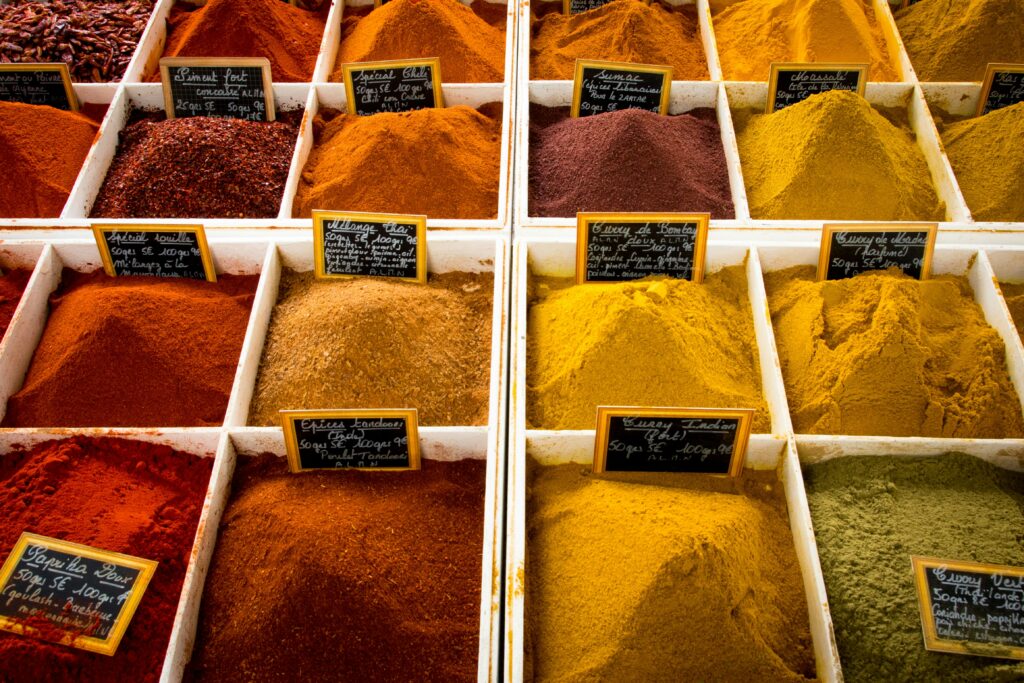
Spices are perfect travel items. Lightweight, non-perishable, and impossible to find at the same quality back home. Moreover, they make excellent gifts.
Essential Spices by City
From London (Portobello Road & Borough Market):
Caribbean Spice Blends
- What: Jerk seasoning, curry powder, all-purpose seasoning
- Where: Portobello Road market stalls, especially near Golborne Road
- Why: Authentic blends you won’t find in standard shops
- Cost: £3-6 per 100g
- Shelf life: 12-18 months
Turnips Spice Blends
- What: British-grown herbs, specialty blends
- Where: Borough Market (Friday-Saturday)
- Why: Zero food miles, unique British flavors
- Cost: £4-7 per jar
- Shelf life: 12 months
From Paris:
Herbes de Provence (true version)
- What: Thyme, rosemary, savory, lavender from Provence
- Where: Spice vendors at Marché d’Aligre
- Why: The real thing, not the industrial version
- Cost: €5-8 per 100g
- Shelf life: 18 months
Fleur de Sel de Guérande
- What: Hand-harvested sea salt from Brittany
- Where: Any good épicerie or market salt vendor
- Why: Finishing salt that transforms dishes
- Cost: €6-12 per 250g
- Shelf life: Indefinite
Piment d’Espelette
- What: Basque chili pepper, fruity and mild
- Where: Specialty spice shops, some market vendors
- Why: Unique to the region, AOP protected
- Cost: €8-15 per 50g
- Shelf life: 12 months
From Barcelona:
Pimentón de la Vera (smoked paprika)
- What: Oak-smoked paprika from Extremadura (dulce/sweet, agridulce/medium, picante/hot)
- Where: La Boqueria spice stalls, specialty shops
- Why: Essential for Spanish cooking, impossible to replicate
- Cost: €4-8 per 100g tin
- Shelf life: 18-24 months (retains smokiness)
- Pro tip: Buy the tin versions—they’re authentic and decorative
Saffron from La Mancha
- What: Spanish saffron threads (azafrán)
- Where: Reputable spice vendors only (beware fakes)
- Why: Spain produces world’s best saffron
- Cost: €8-15 per 1g
- Shelf life: 2-3 years if stored properly
- Warning: Verify authenticity. Real saffron is expensive.
From Lisbon:
Piri Piri (whole dried peppers)
- What: African bird’s eye chili
- Where: Afro-Portuguese shops near Martim Moniz, some market vendors
- Why: Essential for Portuguese cuisine, Mozambican/Angolan influence
- Cost: €3-6 per 50g
- Shelf life: 2 years
Colorau (Portuguese paprika)
- What: Sweet, mild paprika used in Portuguese cooking
- Where: Traditional mercearias, Time Out Market spice vendors
- Why: Different from Spanish pimentón, essential for authentic Portuguese dishes
- Cost: €2-4 per 100g
- Shelf life: 18 months
Massa de Pimentão (red pepper paste)
- What: Concentrated roasted red pepper
- Where: Traditional shops in Baixa
- Why: Base for many Portuguese dishes
- Cost: €4-7 per jar
- Shelf life: 6 months opened, 18 months sealed
- Travel note: Jar, so pack carefully
How to Pack Spices
At the Market:
- Buy pre-packaged when possible
- Request tight-sealing containers
- Avoid loose spices in paper bags for international travel
Packing Strategy:
- Place all spices in a large zip-lock bag (in case of leaks)
- Wrap jars in bubble wrap or clothing
- Pack in center of luggage
- Keep strongly scented spices (curry, jerk) double-bagged
Customs: Generally no issues with dried spices. However, some countries restrict:
- Seeds (may be classified as agricultural products)
- Certain dried peppers
- Always declare if unsure
Wine & Spirits: Liquid Treasures Worth Carrying
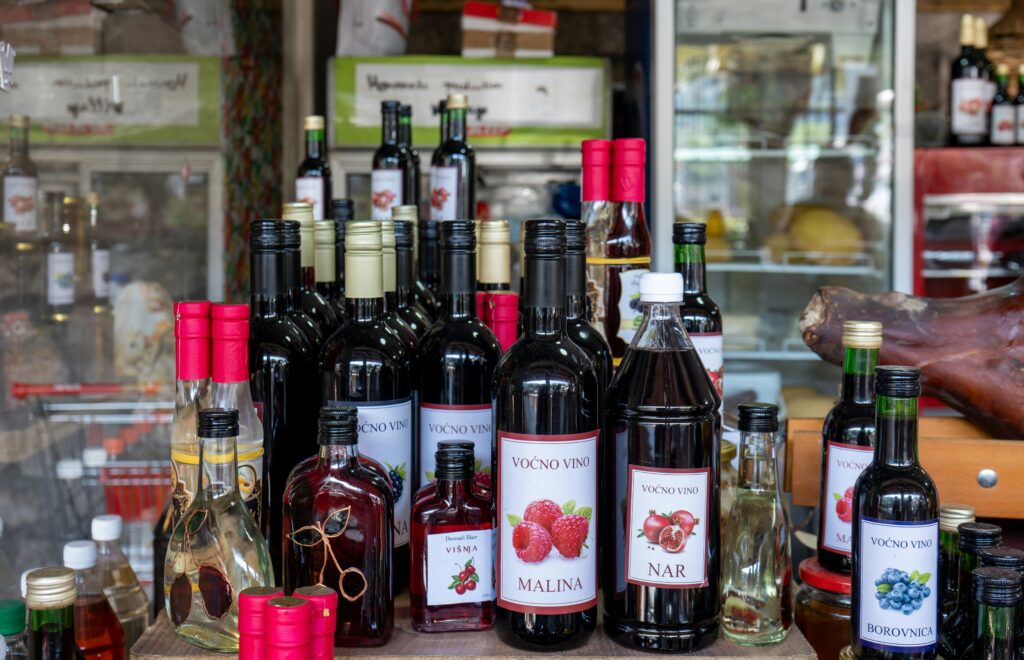
Wine is heavy. Glass breaks. Liquids leak. Yet, travelers consistently ask about bringing wine home. Here’s how to do it right.
Wines Worth the Weight
From Paris:
Natural Wines from Small Producers
- What: Low-intervention wines from independent vignerons
- Where: Marché d’Aligre wine vendors, natural wine shops in 11th arrondissement
- Why: Unavailable outside France, often impossible to ship
- Cost: €12-30 per bottle
- Focus on: Beaujolais, Loire Valley, Jura regions
Champagne from Small Houses
- What: Grower Champagne (récoltant-manipulant)
- Where: Specialty wine shops near markets
- Why: Better quality-to-price than big brands
- Cost: €25-50 per bottle
- Look for: RM designation on label
From Barcelona:
Priorat (if you can carry it)
- What: Powerful red wines from old vines
- Where: Specialty wine shops near Santa Caterina
- Why: Some of Spain’s finest, expensive to ship
- Cost: €20-60 per bottle
- Warning: Heavy bottles, but worth it
Cava from Small Producers
- What: Spanish sparkling wine, traditional method
- Where: Wine stalls at markets, specialty shops
- Why: Excellent value, drink-now quality
- Cost: €8-18 per bottle
From Lisbon:
Vinho Verde (young, fresh white)
- What: Slightly sparkling Portuguese white wine
- Where: Time Out Market wine vendors, shops in Baixa
- Why: Rarely exported properly, best drunk young and fresh
- Cost: €4-10 per bottle
- Drink within: 6-12 months
Port from Small Quintas
- What: Tawny, Ruby, or Vintage Port
- Where: Garrafeira Nacional (historic wine shop), some market vendors
- Why: Better selection than typical tourist shops
- Cost: €15-80 per bottle
- Pack carefully: Premium bottles come in wooden boxes
From London:
English Sparkling Wine
- What: Champagne-method sparkling from Kent, Sussex
- Where: Borough Market wine stalls
- Why: World-class, rarely available internationally
- Cost: £18-35 per bottle
- Recommended: Nyetimber, Ridgeview, Gusbourne
How to Pack Wine for Travel
The Golden Rule: Only pack wine in checked luggage. Never carry-on (liquid restrictions).
Purchase Strategy:
- Buy on your last day or second-to-last day
- Limit to 2-4 bottles (weight adds up quickly)
- Ask shop to double-box or provide bubble wrap
Professional Packing Method:
Materials needed:
- Wine shipping boxes (ask wine shops for empties)
- Bubble wrap (buy at any supermarket)
- Heavy-duty zip-lock bags (2-gallon size)
- Packing tape
Step-by-step:
- Place each bottle in a 2-gallon zip-lock bag (in case of breakage)
- Wrap each bottle in bubble wrap (at least 2 layers)
- Pack in wine shipping box or sturdy cardboard box
- Fill empty spaces with soft items (clothes, towels)
- Place wine box in CENTER of suitcase, surrounded by soft items
- Mark suitcase “Fragile” (airports may or may not care)
Alternative: Wine-Specific Travel Bags
- Reusable wine travel bags (£15-30)
- Padded, leak-proof, TSA-compliant for checked luggage
- Worth it if you’re a regular wine traveler
Shipping Wine: Most wine shops can ship internationally:
- Cost: approximately €40-80 for 6-12 bottles
- Legal restrictions vary by destination country
- US: state-by-state rules (some states prohibit)
- UK: generally straightforward from EU
- Australia/NZ: very restricted
Customs & Duty
EU to EU: No limits for personal use
EU to UK:
- Duty-free allowance: 18L still wine (24 standard bottles)
- Or 9L sparkling wine
- Above the allowance you must declare the wine and pay duty and VAT
EU to US:
- Duty-free: 1 liter
- Additional bottles: varies by state, usually $1-3 per bottle duty
EU to Canada:
- Duty-free: 1.5L
- Additional bottles: provincial tax + duty applies
EU to Australia:
- Duty-free: 2.25L
- Beyond that: significant duty applies
Artisan Objects: Meaningful Souvenirs That Last
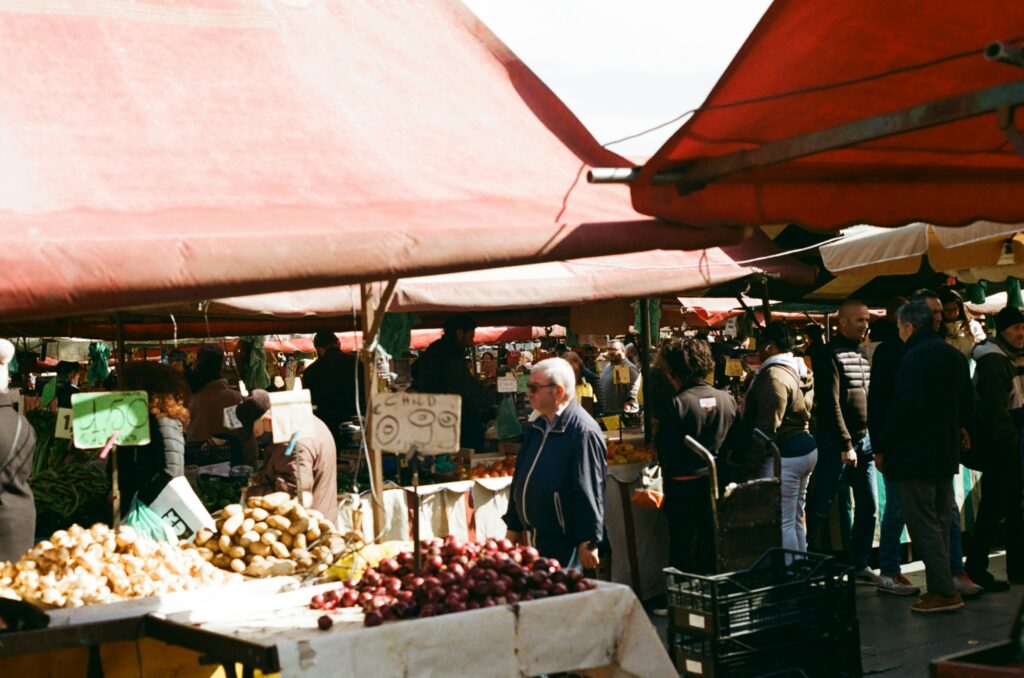
Food is wonderful, but handmade objects carry stories differently. They sit on your shelf, remind you of the maker’s hands and stay with you long after the trip ends. If you want something that lasts, focus on the pieces found in Europe’s markets. Lisbon offers hand painted azulejos and soft Portuguese linen. Barcelona is known for Catalan pottery, artisan leather and classic espadrilles. Paris excels in stoneware, copper cookware and beautifully woven tea towels. London rounds things out with British studio pottery, small batch chocolates and well crafted knife sets. These objects are easy to pack, carry the spirit of each city and make meaningful souvenirs that age beautifully.
Strategic Packing: Bringing It All Home
You’ve shopped. Now you need to get everything home intact.
The Day-by-Day Strategy
Day 1-2 (First City):
- Buy only non-perishables: spices, textiles, small objects
- Avoid wine (too heavy to carry through multiple cities)
- Save cheese for later cities
Mid-Trip:
- Buy artisan objects you can pack securely
- Start thinking about wine (only if flying direct home from last city)
- Purchase leather goods, ceramics
Last City, Last Day:
- Buy all perishables: cheese, fresh items
- Purchase wine (if going straight to airport)
- Final spice purchases
Luggage Configuration
Carry-On Strategy:
- Valuable ceramics (bubble-wrapped)
- Hard cheeses (if space)
- Fragile artisan objects
- Important receipts
Checked Luggage Strategy:
- Wine (center, well-padded)
- Heavier ceramics
- Tinned fish
- Cookware
- Most cheeses (keep cool)
Personal Item (backpack/tote):
- Textiles (lightweight, good padding for other items)
- Spices (in sealed bags)
- Chocolates and preserves (if space)
Materials to Buy Along the Way
Stop at any supermarket or papelería for:
- Bubble wrap (€3-5 per roll)
- Packing tape (€2-3)
- Large zip-lock bags (€3-5 per box)
- Small cooler bag (€5-10)
- Extra tote bag or collapsible duffel (€8-15)
Shipping Option
If you’ve bought too much (it happens):
UK/EU Services:
- Royal Mail/An Post: reasonable rates for small parcels
- DHL/FedEx: faster, more expensive, tracking included
- Cost: approximately £30-80 for 5-10kg
Consider Shipping If:
- You’ve bought large ceramics or multiple wine bottles
- You’re continuing travel after the market cities
- Your luggage is already at weight limit
- You’ve found valuable/fragile artisan pieces
Don’t Ship:
- Fresh cheese (customs issues)
- Anything perishable
- Items under £20 value (shipping costs more)
Gift-Giving Guide
Market finds make the best gifts. They’re personal, story-rich, and impossible to find at home.
Gifts Under €20
- Portuguese azulejo coasters
- Tin of premium Spanish/Portuguese seafood
- Small jar of French honey or preserves
- Packet of pimentón de la Vera
- French linen tea towel
- Small bag of artisan chocolates
Gifts €20-50
- Portuguese embroidered linen napkins
- Wedge of aged Manchego or Comté
- Spanish espadrilles
- Set of French spice blends
- Small ceramic piece from Barcelona
- British artisan chocolate collection
Gifts €50-100
- Portuguese hand-painted ceramic serving piece
- French copper bowl or small pan
- Spanish leather wallet or cardholder
- Collection of natural wines
- British pottery piece
- Set of premium tinned seafood
Gifts €100+
- French copper cookware
- Portuguese embroidered tablecloth
- Spanish paella pan set with accessories
- Collection of aged cheeses and wines
- Vintage Portuguese azulejo panel
- British studio pottery collection
Final Packing Checklist
Before You Leave Home:
- □ Check customs regulations for your destination
- □ Pack extra tote bags (collapsible)
- □ Bring bubble wrap or buy on arrival
- □ Leave space in luggage (or bring empty duffel)
- □ Pack small cooler bag for cheese
At Each Market:
- □ Ask about vacuum-sealing (cheese, charcuterie)
- □ Request gift wrapping for ceramics
- □ Keep all receipts (for customs)
- □ Note artisan names and contact info
- □ Ask about international shipping if buying large items
Packing at Accommodation:
- □ Wrap all glass and ceramics
- □ Double-bag all spices
- □ Place cheese in coolest luggage section
- □ Pack wine in center, heavily padded
- □ Weight luggage before airport
At the Airport:
- □ Declare food items if required
- □ Have receipts accessible
- □ Check fragile items if possible
- □ Keep valuable ceramics in carry-on
What Not to Buy
Some items seem appealing but aren’t worth the effort:
Avoid:
- Soft, fresh cheeses (won’t survive travel)
- Cheap wine (not worth the weight and breakage risk)
- Mass-produced “artisan” items (available online)
- Anything without clear origin/maker information
- Items you can’t pack safely
- Excessive quantities of heavy items (your back will hurt)
Red Flags:
- “Handmade in Portugal/Spain/France” but no maker’s mark
- Tourist market prices (genuine artisan goods cost more)
- Perfect, identical items (likely factory-made)
- Pressure to buy immediately
Coming Home: Care & Storage
Cheese:
- Refrigerate immediately
- Rewrap in fresh wax paper
- Store in cheese paper or loose plastic
- Consume within 2-3 weeks
Spices:
- Transfer to airtight containers
- Store in cool, dark place
- Label with purchase date
- Use within shelf life noted above
Wine:
- Rest bottles for 1-2 weeks before opening (travel shock)
- Store on side in cool, dark place
- Temperature consistency matters more than specific temperature
- Drink young wines (Vinho Verde, Cava) within 6-12 months
Ceramics:
- Hand wash initially (removes any packing residue)
- Check if dishwasher-safe (ask at purchase)
- Store carefully to prevent chipping
- Use regularly—they’re meant to be enjoyed
Textiles:
- Wash according to care instructions
- Iron linen on high heat while damp
- Store flat or rolled (not folded) for embroidered items
- Air out regularly
Resources & Further Reading
Customs Information:
- UK: gov.uk/bringing-food-into-great-britain
- US: cbp.gov/travel/us-citizens/know-before-you-go
- Canada: cbsa-asfc.gc.ca
- Australia: agriculture.gov.au
Your Shopping Journey Starts Here
Now you know what to buy, how to pack it, and how to get it home safely. The next step is getting there.
Need help planning your route?
View our complete European Market Trail Itineraries →
The markets are full. The makers are waiting. Your shopping bag is empty.
Go fill it with stories.