
The Ultimate Europe Market Guide
A City-Hopping Journey From the UK Into Iconic Food Hubs
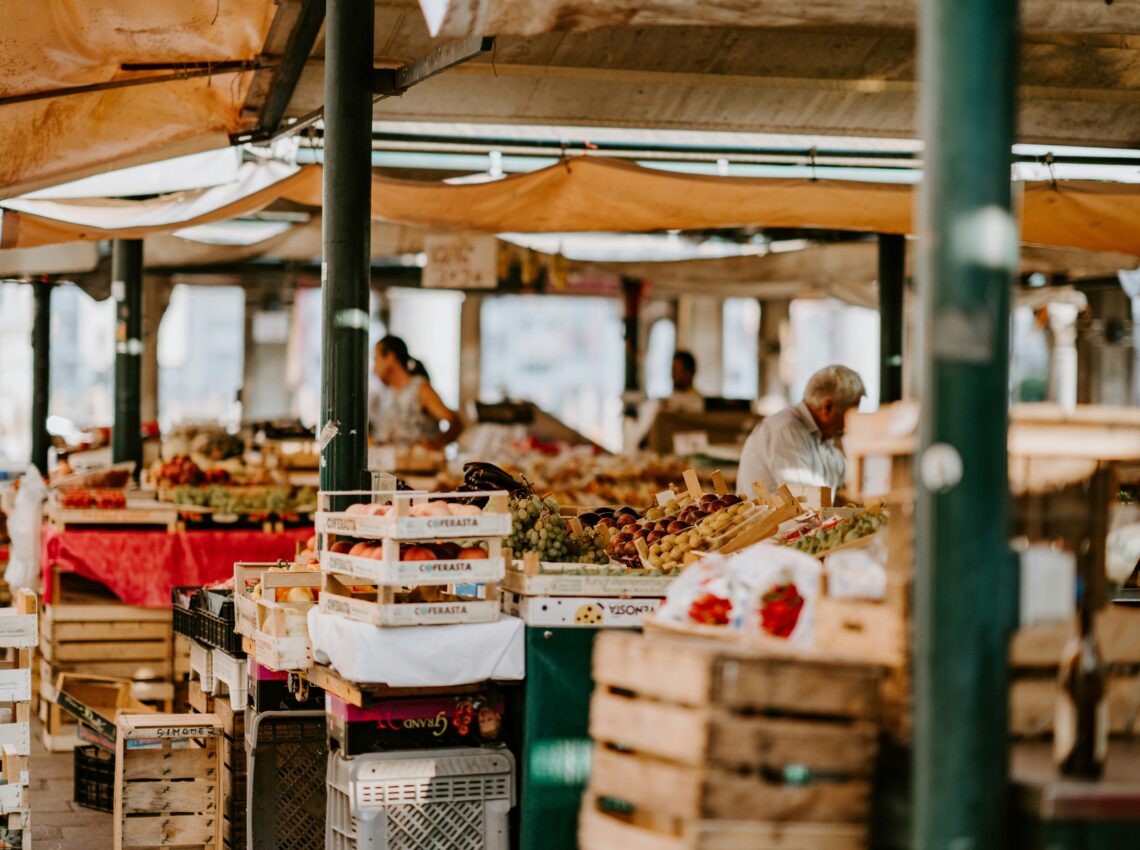
Markets reveal a city’s heartbeat long before its landmarks do. Moreover, they offer something guidebooks can’t capture. The smell of baked sourdough drifts through morning air. Crates clatter as vendors unpack. Meanwhile, a maker presents something crafted by hand with quiet pride. This is where culture begins.
Consequently, this journey starts in the UK and winds into Europe through the markets that define its cities. Each stop is filled with stories told through flavour, craft, and community. Think of it as a trail of tastes and textures. It links London to Paris, Barcelona to Lisbon. Every stop offers something new to discover.
Why Markets Matter
Great markets are more than tourist attractions. Instead, they’re living archives of immigration, adaptation, and exchange. They hold recipes that grandmothers carried across borders. Additionally, they preserve techniques that young bakers are now reviving. They’re where conversations happen over a cheese counter on a Thursday morning.
For the modern traveller, markets offer something increasingly rare: slowness. Here, you can wander without an agenda. You can taste before you buy. Furthermore, you can ask questions and learn the story behind what you’re holding. In a world of curated experiences and Instagram angles, markets remain delightfully unpredictable.
This guide follows a simple philosophy: travel by flavour. Let the markets lead you through four iconic cities. Each is connected by train, short-haul flight, or ferry. Pack light. Bring an extra bag for souvenirs. Prepare to eat extraordinarily well.
London, England
Borough Market & Portobello Road
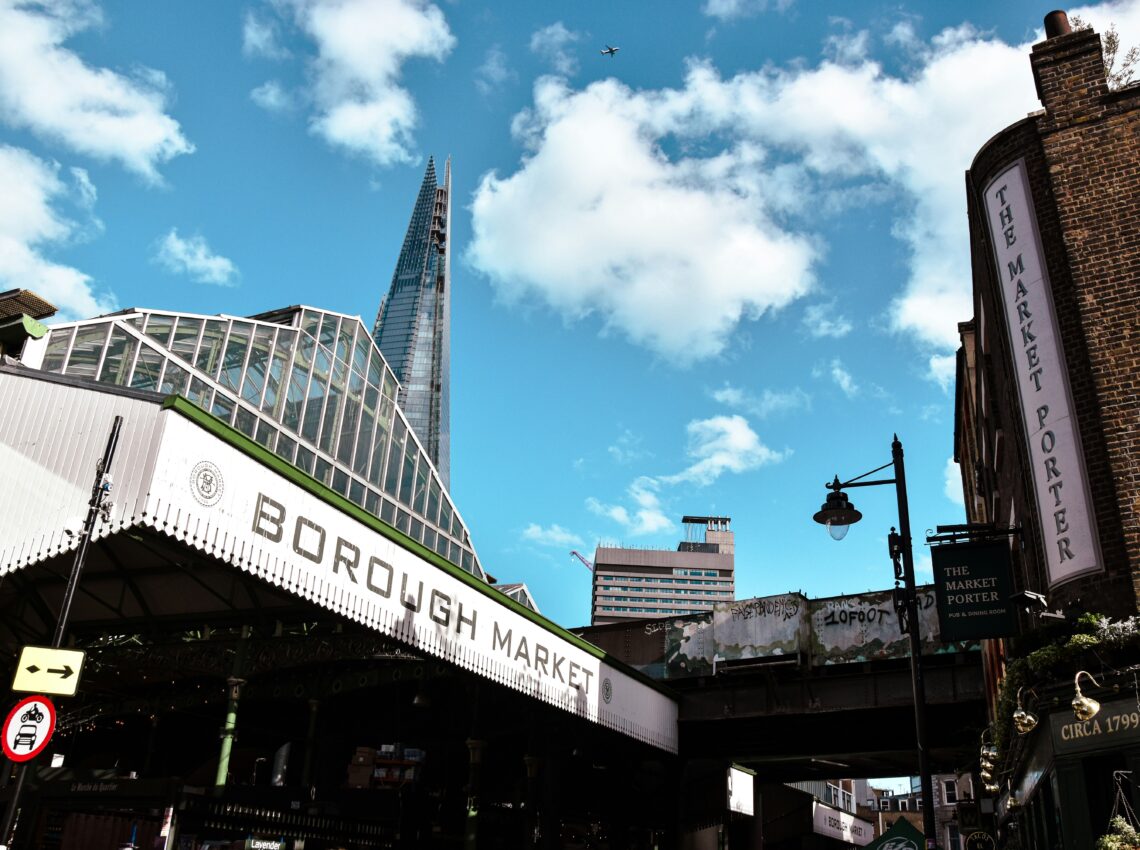
London’s markets are a study in cultural fusion. Walk through Borough Market on a Saturday morning. You’ll find Jamaican jerk spice blends next to Italian burrata. West African palm oil sits beside Welsh lamb. South Asian produce is stacked near English farmhouse cheddar. This isn’t accidental. Rather, it’s the edible history of the city itself.
Borough Market dates back over a thousand years. However, its current form reflects a modern renaissance. The iron and glass structure shelters some of the finest food stalls in the country. For instance, there’s hand-rolled pasta at Flour to the People. Briny oysters are shucked to order. Sourdough is still warm from the oven. Arrive early to beat the crowds. Alternatively, come midweek when locals outnumber tourists.
Portobello Road offers a different rhythm. The antiques that made it famous still draw collectors every Saturday. Nevertheless, the surrounding streets hold treasures of another kind. Portuguese custard tarts from Lisboa Patisserie catch your eye. Jerk chicken from the Notting Hill Carnival legacy fills the air with spice. Meanwhile, spice merchants who’ve been here for decades know every regular by name.
What to Buy in London
- Fresh pasta from Flour to the People
- Hot smoked salmon from Silvo’s
- Neal’s Yard Dairy cheeses
- Spice blends from Turnips
- Artisan chocolates from Rabot 1745
When to Visit Borough Market
- Best time: Weekday mornings (9-11am) for elbow room
- Busiest: Saturday afternoons—expect crowds
- Quietest: Monday and Tuesday, though some stalls are closed
Paris, France
Marché d’Aligre & Marché des Enfants Rouges
Parisian markets operate by unspoken rules. Don’t touch the produce unless invited. Greet the vendor before making requests. Accept that perfect nectarines cost more than you’d pay at the supermarché. Understand why.
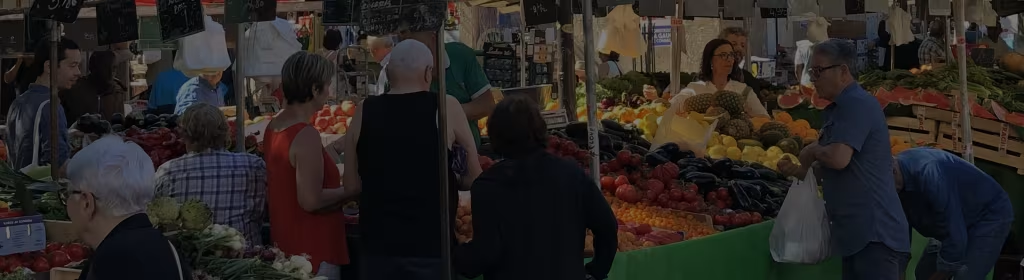
Marché d’Aligre in the 12th arrondissement feels like old Paris. North African vendors sell mint and dates. Cheese mongers offer tastes of Comté aged in cellars. Similarly, wine merchants pour natural bottles you won’t find elsewhere. The covered hall at one end sells meat and seafood. The outdoor market sprawls with seasonal vegetables and flowers.
Marché des Enfants Rouges is Paris’s oldest covered market. It has evolved into something more polished. Young chocolatiers work next to traditional butchers. Japanese bento counters share space with Moroccan tagine stalls. Consequently, it’s where the city’s food identity is being quietly rewritten by a new generation of makers.
The 11th arrondissement surrounding Enfants Rouges deserves an afternoon. Natural wine bars beckon. Experimental bakeries surprise. Tiny chocolate ateliers tempt. Indeed, this is where Parisian food culture is moving.
Farmhouse Butter to Bring Home
- Look for beurre de baratte from Beillevaire
- Bordier butter from Brittany, especially the seaweed variety
- Any butter labeled AOP Charentes-Poitou
The Best Time of Day at Marché d’Aligre
Morning, between 9am and noon. The produce is freshest. Vendors are talkative. Moreover, the neighbourhood cafés are perfect for a post-market coffee.
Parisian Market Etiquette
- Always say “Bonjour” before making a request
- Don’t handle produce unless invited
- Bring your own bag—plastic isn’t offered everywhere
- Cash is preferred at smaller stalls
Barcelona, Spain
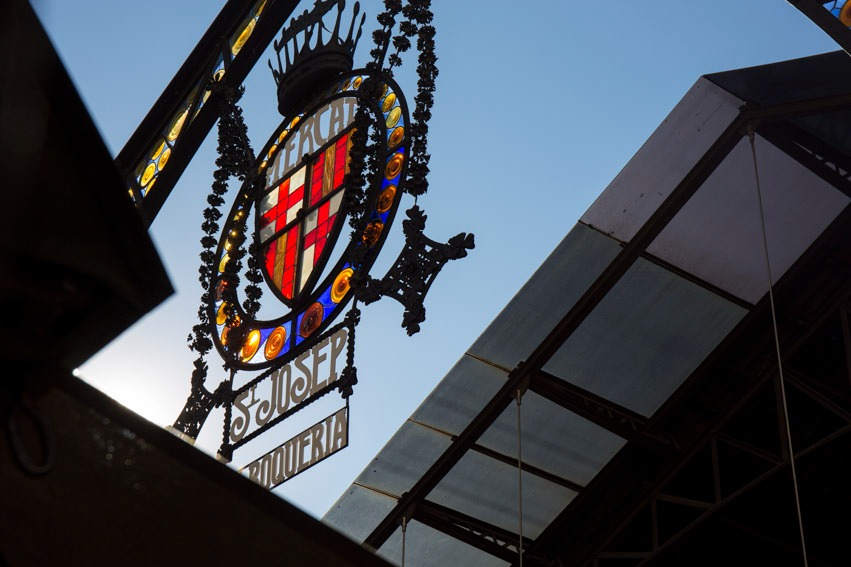
La Boqueria & Santa Caterina Market
Barcelona’s markets are theatre. The colours alone feel orchestrated for maximum impact. Crimson tomatoes catch your eye. Violet artichokes draw you closer. Silver anchovies on ice glisten. However, look past the tourist spectacle. You’ll find something deeper: a city that takes its seafood seriously, guards its jamón traditions, and builds markets like monuments.
La Boqueria is the famous one. It’s the postcard shot everyone wants. Yes, it’s crowded. Some stalls cater to cruise ship groups. Nevertheless, arrive when the market opens at 8am. You’ll see locals buying what’s actually in season: fresh figs in September, calçots in winter, percebes (goose barnacles) when the catch is good.
Santa Caterina Market is where you should spend more time. The undulating ceramic roof by Enric Miralles is worth the visit alone. It features 56,000 tiles in waves of colour. Inside, the atmosphere is neighbourhood-focused. Elderly Catalans buy ingredients for tonight’s suquet. Young chefs source for their restaurants. Families do the weekly shop.
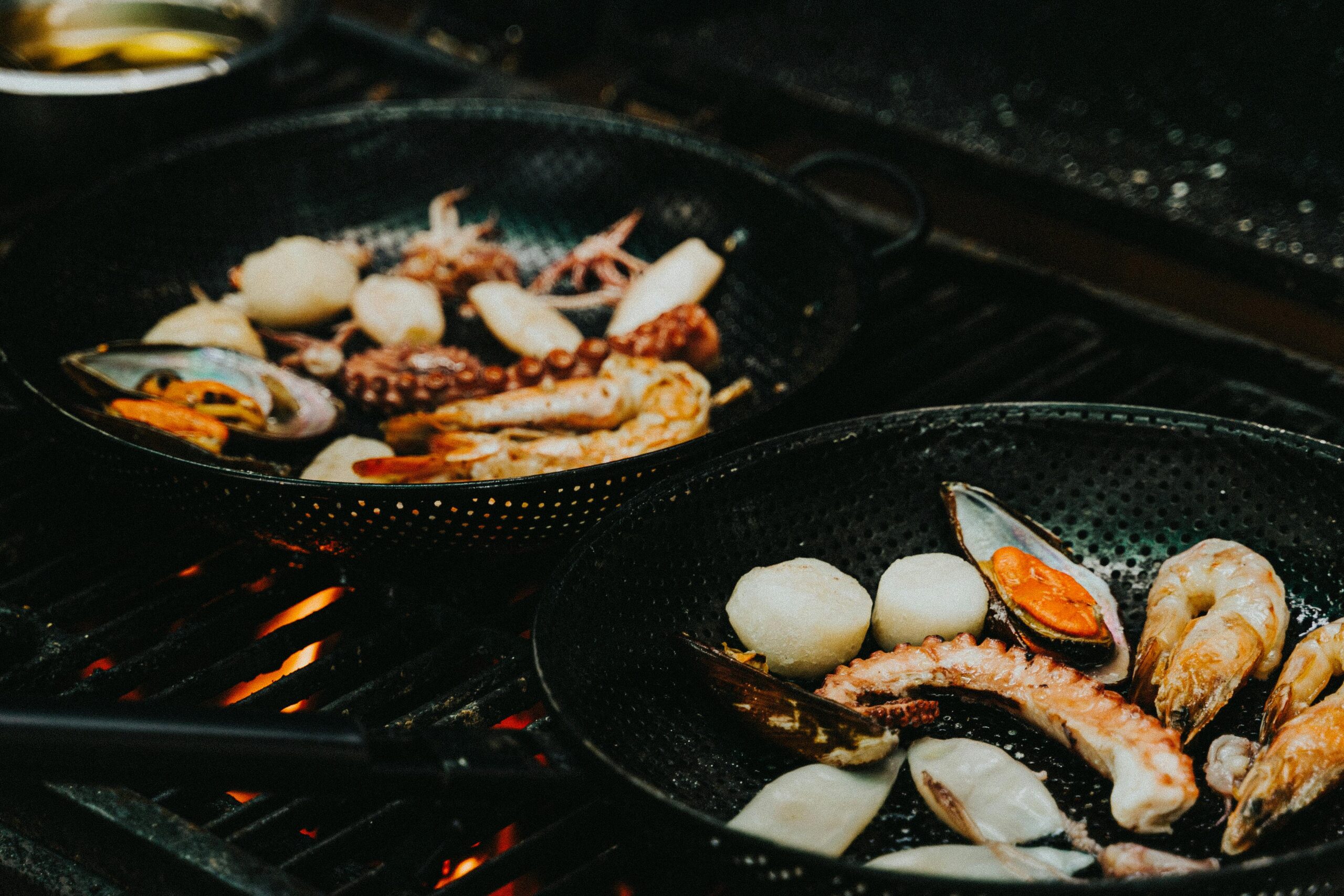
The seafood counters are the real draw. Baby squid glistens. Razor clams wait on ice. Monkfish is so fresh it’s still translucent. The vendors will clean and prepare anything you buy. However, most tourists simply point and eat at the small bars that ring the market’s edge.
The Must-Try Tapas List
- Boquerones en vinagre: marinated white anchovies
- Pan con tomate: tomato bread, deceptively simple
- Gambas al ajillo: garlic prawns
- Patatas bravas: fried potatoes with spicy sauce
- Jamón ibérico de bellota: acorn-fed ham
What Locals Buy at Santa Caterina
Not the fruit smoothies or chocolate-dipped strawberries. Instead, they buy whole fish for grilling. They choose seasonal vegetables for sofrito. They select manchego for the week. They pick up fresh bread daily.
How to Navigate Crowds at La Boqueria
- Avoid 11am-2pm on weekends
- Skip the front entrance stalls—they’re the priciest
- Head to the back left section for better value
- Eat at Bar Pinotxo if you can get a seat
Lisbon, Portugal
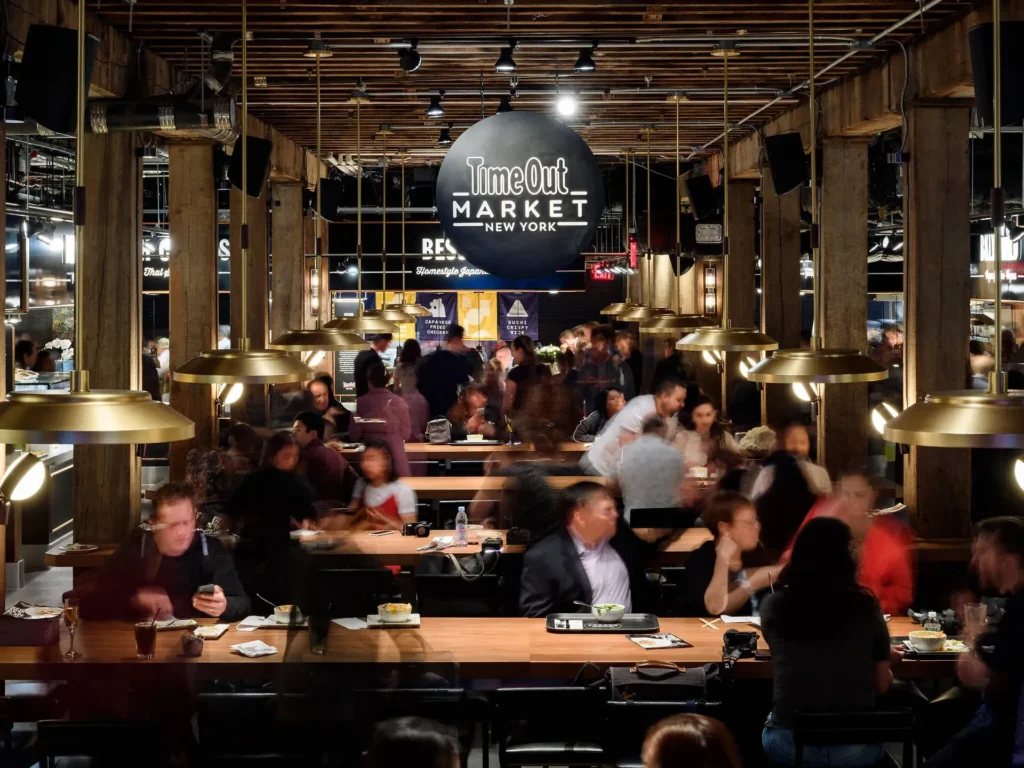
Mercado da Ribeira (Time Out Market) & Feira da Ladra
Lisbon’s markets feel suspended between eras. There’s nostalgia in the faded tiles. You see it in the way elderly vendors still weigh produce in kilos. But there’s modernity too. It appears in the way old market halls have been reimagined. It’s also evident in the quiet Afro-Portuguese influences threaded through the stalls.
Mercado da Ribeira was reborn as Time Out Market. It divides opinion. Purists lament the loss of the traditional market. Pragmatists appreciate that it gathered Lisbon’s best chefs under one roof. Henrique Sá Pessoa, Alexandre Silva, Marlene Vieira—all are here. This makes the city’s food scene accessible in a few hours. Both perspectives are valid. The market works if you treat it as a curated introduction, not the final word.
For something rawer, Feira da Ladra unfolds every Tuesday and Saturday in Alfama. It’s a flea market in the truest sense. Vintage tiles pile high. Tarnished silver catches the light. Embroidered linens tempt. Old records lean in stacks. Ceramic roosters perch everywhere. Arrive early. Bring cash. Be prepared to dig.
The surrounding neighbourhood rewards exploration. Cape Verdean cafés serve cachupa. Mozambican spice shops fill the air with fragrance. Portuguese bakeries produce custard tarts every twenty minutes.
Shop Like a Local in Lisbon
- Ceramics: Hand-painted tiles and tableware from Cutilaria (near Time Out Market)
- Olive oil: Single-estate bottles from Alentejo region
- Textiles: Linen from Burel Factory or embroidered pieces from Casa das Vellas
- Tinned fish: Conserveira de Lisboa has been canning since 1930
The Best Flea Market Finds
- Vintage azulejo tiles
- Old Portuguese linens with hand-embroidered edges
- Mid-century ceramics
- Antique religious medals and ex-votos
What to Eat at Time Out Market
- Pastel de nata from Manteigaria
- Prego (steak sandwich) from Café de São Bento
- Octopus from Alexandre Silva
- Wine from Garrafeira Nacional
Currency Tips
The UK uses pounds sterling. The rest use euros. Notify your bank before travelling. Smaller market stalls prefer cash. Therefore, carry small notes.
Packing for a Market-Hopping Trip
- Reusable shopping bags (several)
- An empty duffel or tote for souvenirs
- Walking shoes you can wear for hours
- Layers—markets are often cooler than streets
- A water bottle
How to Take Food Souvenirs Home
- Cheese: Wrap in wax paper. Pack in the coolest part of your luggage.
- Charcuterie: Vacuum-sealed is safest for travel.
- Spices: Double-bag to prevent scent transfer.
- Wine: Use bubble wrap. Place in the center of your suitcase.
- Tinned fish: Easy to pack. No refrigeration needed.
Market Etiquette Across Regions
- UK: Casual. Browsing encouraged.
- France: Formal greetings required.
- Spain: Loud and social, but respect the vendors’ expertise.
- Portugal: Warm but traditional. Older vendors may not speak English.
Accessibility Notes
- Borough Market: Wheelchair accessible with some narrow sections
- Marché d’Aligre: Outdoor sections can be uneven
- La Boqueria: Crowded and challenging for wheelchair users
- Santa Caterina: Fully accessible
- Time Out Market: Fully accessible
How to Travel Responsibly
Avoid single-use plastics wherever possible
Bring reusable bags and containers
Buy what you’ll actually consume
Support smaller vendors, not just the Instagram-famous stalls
Learn basic phrases in each language
Coming next: Part 2 explores The Classic Market Trail.