
Where Sicily Meets the Levant: Arugula, Orange & Tahini
The Mediterranean has always been a crossroads. Sicilian blood oranges share shelf space with Lebanese tahini in markets from Palermo to Beirut. Fennel grows wild along coastal paths in both places. The food doesn’t acknowledge borders, it moves with traders, migrants, and curious cooks who taste something in one port and recreate it in another.
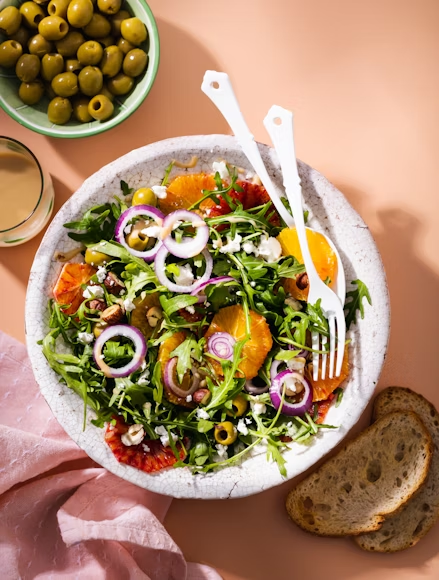
This salad lives in that overlap. Peppery arugula and sweet citrus are pure Mediterranean. Tahini dressing, nutty and creamy, speaks to Levantine kitchens. Together, they create something that feels both familiar and surprising: bitter greens softened by orange, richness tempered by lemon, crunch provided by toasted pine nuts that could have come from an Italian hillside or a Lebanese grove.
It’s the kind of dish that reminds you the Mediterranean isn’t just a body of water—it’s a culinary conversation that’s been happening for millennia.
Why This Combination Works
Arugula brings sharp, peppery bite. Oranges counter with sweetness and acidity. Tahini adds creaminess and a subtle earthiness that ties everything together without overwhelming. The interplay is what makes this interesting: each ingredient pushes against the others, creating balance through tension rather than harmony.
Red onion, sliced thin and raw, adds sharpness. Toasted nuts provide textural contrast. Fresh herbs—mint or parsley—bring brightness at the end. If you add fennel, its anise notes echo both Sicilian and Levantine cooking traditions, where the bulb appears in everything from salads to slow braises.
Ingredients
Serves 2 to 3 as a side, or 2 as a light main
For the Salad
100 g fresh arugula (rocket), washed and dried
2 large oranges (blood oranges for color, navel for sweetness)
1 small red onion, sliced paper-thin
30 g pine nuts or walnuts, toasted until golden
Small handful of fresh mint or flat-leaf parsley, roughly torn
Optional: thin slices of fennel for anise crunch
For the Tahini Dressing
3 tbsp tahini paste (smooth, not separated)
Juice of 1 lemon
1 garlic clove, finely grated
1 tbsp olive oil
1 tsp honey or date syrup
2 to 3 tbsp water
Salt and black pepper
The Method
Make the dressing: Whisk tahini, lemon juice, grated garlic, olive oil, and honey in a bowl. The mixture will seize at first—this is normal. Add water gradually, whisking constantly, until it reaches a creamy, pourable consistency. Season generously with salt and pepper. Taste. It should be tangy, slightly sweet, and assertive with garlic. Adjust lemon or honey if needed.
Prepare the oranges: Peel them completely, removing all pith. Slice into thin rounds or supremes if you’re feeling precise. Sicilian blood oranges are ideal here—their crimson flesh and slightly tart flavor make the salad visually striking. If you can’t find them, navel oranges work just as well.
Toast the nuts: Heat a dry pan over medium heat. Add pine nuts or walnuts and toast, shaking occasionally, until they turn golden and smell nutty. This takes 3 to 5 minutes. Watch closely—they burn quickly. Remove from heat immediately and let cool.
Assemble: Spread the arugula on a wide, shallow plate or bowl. Layer the orange slices over the greens. Scatter the thinly sliced red onion across the top. If using fennel, tuck the slices among the oranges. Add the toasted nuts and torn herbs.
Dress lightly: Drizzle the tahini dressing over everything. You don’t need to drown the salad—just enough to coat the leaves and oranges. Toss gently if you like everything mixed, or leave it artfully arranged for presentation. Finish with a crack of black pepper and a final drizzle of good olive oil.
Notes on Ingredients
Oranges matter. Use the freshest you can find. Their natural sweetness and acidity are essential to the balance. Blood oranges add drama, but any sweet, juicy orange works.
Tahini quality varies wildly. Look for smooth, well-stirred tahini that’s pale beige, not gray. If it tastes bitter, add more lemon juice and honey to balance it. A good tahini should taste nutty and rich, not astringent.
Toast your nuts properly. Raw nuts taste flat. Toasted nuts bring depth and fragrance. Don’t skip this step.
Herbs should be torn, not chopped. Rough pieces look more natural and release their oils better than precise knife work.
Fennel is optional but transformative. Its subtle anise flavor connects to both Sicilian and Lebanese cooking. Slice it paper-thin on a mandoline for the best texture.
Variations
Add protein: Top with grilled halloumi, shredded roast chicken, or seared tuna for a more substantial meal.
Spice it up: Stir Aleppo pepper or red chili flakes into the dressing for warmth. A pinch of sumac over the finished salad adds tartness and a Middle Eastern accent.
Swap the citrus: Try grapefruit for more bitterness, or cara cara oranges for something sweeter and pinker.
Make it richer: Crumble feta or goat cheese over the top. The creaminess plays well with the tahini without being redundant.
Go full Levantine: Add pomegranate seeds for sweetness and crunch, and swap parsley for za’atar-dusted pita chips.
The Overlap
Great salads don’t need complexity. They need contrast and balance. This one achieves both by drawing from two culinary traditions that have always influenced each other. Sicilian merchants brought tahini back from Levantine ports. Lebanese cooks adapted Italian citrus when it arrived in Beirut markets. The exchange has been happening for centuries.
What you taste in this salad isn’t fusion in the modern sense. It’s the natural result of proximity, trade, and shared ingredients. Arugula grows wild along the Mediterranean coast. Oranges thrive in both Sicily and the Levant. Tahini shows up in Italian bakeries and Lebanese mezze spreads. The crossover isn’t forced—it’s inevitable.
This is a salad that works equally well on a terrace in Taormina or a rooftop in Beirut. Peppery, bright, rich, uncomplicated. The kind of dish that reminds you good food doesn’t need a passport—just good ingredients and a willingness to let different traditions speak to each other.
A taste of the crossroads. No borders required.
Discover more Mediterranean and Levantine recipes in our Food & Drink collection.