
Rosemary Negroni: Florence’s Aperitivo Hour, Refined
In Florence, aperitivo isn’t just a drink before dinner. It’s a ritual, a pause, a moment when the city shifts from work to pleasure. Around six o’clock, locals spill onto terraces along the Arno, and bartenders at places like Caffè Giacosa and Essenziale begin their nightly choreography: equal parts gin, Campari, and sweet vermouth, stirred with precision, served with quiet confidence.
The Negroni was born here in 1919 when Count Camillo Negroni asked his bartender at Caffè Casoni to strengthen his Americano with gin instead of soda water. What emerged was something bolder, more complex, perfectly bitter. A century later, it remains the quintessential Florentine aperitivo: uncomplicated in construction, sophisticated in balance.
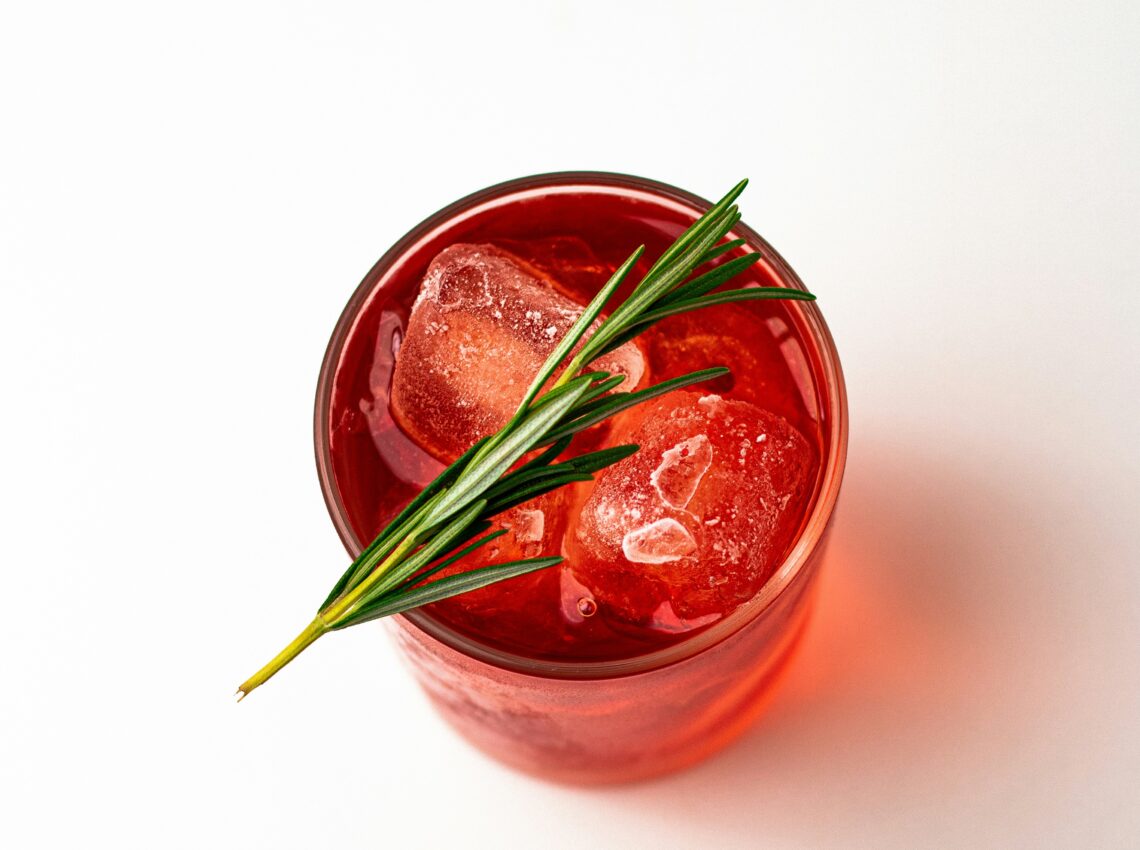
This version adds a whisper of rosemary. Not to reinvent the classic, but to echo the Tuscan hillsides visible from those same terraces where locals gather. The herb brings a Mediterranean warmth without overwhelming the drink’s essential architecture: bitter Campari, botanical gin, sweet vermouth. Three ingredients in perfect tension.
Why Rosemary Works
The Negroni’s beauty lies in its balance. Campari provides bitterness and a crimson glow. Gin adds juniper and citrus. Sweet vermouth rounds everything with spice and subtle sweetness. Rosemary, when used lightly, enhances rather than dominates. Its piney, almost resinous quality complements the gin’s botanicals while nodding to the Tuscan landscape.
The key is restraint. A gentle slap to release the oils, a brief stir, nothing more. Too much and it turns medicinal. Just enough and it feels like drinking sunset on a Florentine rooftop.
What You’ll Need
Per serving
The Base
30 ml gin (London Dry or a citrus-forward Italian gin)
30 ml Campari
30 ml sweet vermouth (quality matters here)
The Infusion
1 small fresh rosemary sprig
To Finish
Orange twist
Large ice cubes
The Method
Prepare your glass: Fill a rocks glass with large ice cubes. Size matters. Larger cubes melt slowly, keeping the drink cold without diluting the careful balance you’re about to create.
Build the cocktail: Pour the gin, Campari, and sweet vermouth directly over the ice. Equal parts. This isn’t negotiable. The Negroni’s elegance comes from symmetry.
Infuse the rosemary: Hold the rosemary sprig between your palms and clap once, firmly. You’ll smell the oils release immediately. Drop it into the glass. Stir gently, just a few rotations. You want the aroma, not an herbal takeover.
Express the orange: Hold the orange twist over the glass, colored side down. Bend it sharply so the oils spray across the surface of the drink. You’ll see them shimmer. Rub the twist around the rim, then drop it in.
Serve immediately: The rosemary aroma is most pronounced in the first few minutes. Don’t let it sit.
Notes on Technique
Vermouth matters more than you think. Use a good bottle and keep it refrigerated once opened. Vermouth oxidizes quickly, and stale vermouth ruins the drink. Fresh vermouth tastes of spice and dried fruit. Old vermouth tastes flat and slightly sour.
Ice quality affects everything. Large, clear cubes keep the drink cold without watering it down too quickly. The Negroni is potent. Dilution is part of the experience, but it should happen slowly, allowing the flavors to open up rather than wash out.
Don’t over-muddle the rosemary. A single clap between your palms releases enough oil. If you crush it or stir aggressively, the drink becomes overpowered. Rosemary is powerful. Respect it.
For a subtle smoky note, pass a flame briefly over the rosemary sprig before adding it to the glass. This caramelizes some of the oils and adds a layer of complexity. It’s a small flourish, but it makes the drink feel special.
Variations
If you want to explore further without losing the Negroni’s essential character:
Aged Negroni: Batch the gin, Campari, and vermouth in equal parts. Store in a sealed bottle for two weeks. The flavors mellow and integrate, creating something rounder and more harmonious. Serve over ice with the rosemary and orange as above.
White Negroni with Rosemary: Swap Campari for Suze (a gentian liqueur) and sweet vermouth for Lillet Blanc. The result is paler, more floral, but still bracingly bitter. The rosemary works beautifully here too.
Boulevardier: Replace gin with bourbon or rye whiskey. Keep the Campari and vermouth. Add rosemary. This becomes something warmer, more autumnal, perfect for cooler evenings.
The Ritual
Aperitivo hour in Florence isn’t rushed. It’s the transition between day and night, work and leisure, heat and cool. The Negroni fits this moment perfectly: strong enough to signal the end of productivity, bitter enough to stimulate appetite, balanced enough to sip slowly while watching the light change over the Duomo.
Adding rosemary doesn’t reinvent this. It enhances it, bringing a hint of the countryside into the city, a whisper of Tuscan hillsides into the urban ritual. The bitterness remains. The balance holds. The drink still tastes unmistakably like a Negroni, just with a little more Tuscany in the glass.
Whether you’re standing at a marble bar in Santo Spirito or mixing this at home, the principle is the same: equal parts, good ingredients, no overthinking. The Negroni has survived a century because it doesn’t need improvement. But a sprig of rosemary, handled lightly, reminds you where you are—or where you wish you were.
A sip of Florence. No flight required.
Discover more destination-inspired cocktails in our Food & Drink collection.