
Rethinking Synthetic Hair: Safety, Innovation, and Identity
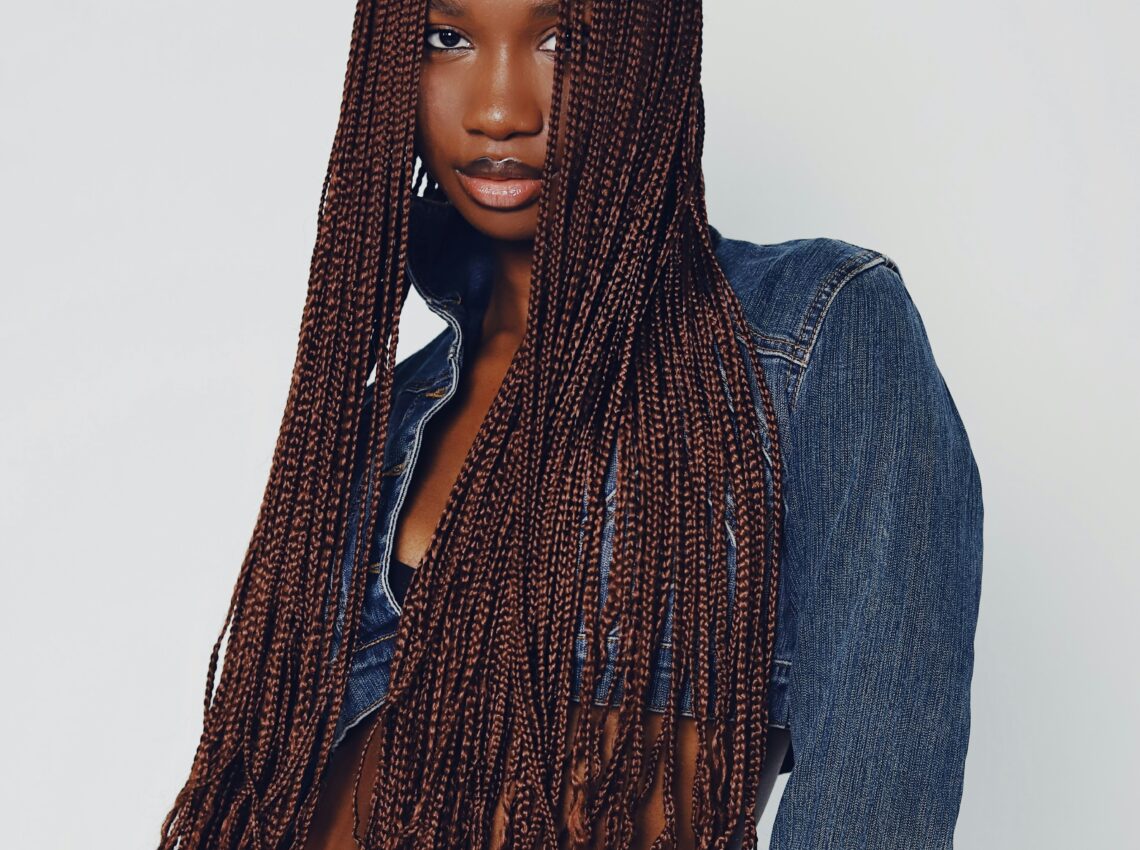
In beauty supply stores across major cities, the synthetic hair aisle tells a complex story. Braids have long been a marker of identity and continuity within Black communities, a styling choice that carries deep cultural significance.
For many, protective styles aren’t just aesthetic choices but part of how they navigate work, travel, and daily life. Recent research reveals a hidden risk beneath the surface of traditional synthetic hair products: potential health hazards that challenge everything we know about protective styling.
Ruka Hair emerged from a deeply personal mission. Founded during the 2021 Covid-19 lockdown by Tendai Moyo and her co-founder, the brand was born out of a critical observation: the textured hair industry had long been under-researched and chronically underserved. With a vision to center coily and kinky hair textures rather than simply accommodating them, the founders set out to create something their mothers and previous generations could not — hair extensions that truly reflect individual identity. Drawing from a 500-strong community of followers, Ruka Hair has pioneered innovative approaches, including a groundbreaking synthetic fiber that is hypoallergenic, biodegradable, and biomimetic.
The Health Risks in Plain Sight
Consumer Reports and medical researchers have uncovered troubling findings about synthetic braiding hair. Carcinogens, heavy metals, and volatile organic compounds (VOCs) are common in many popular products.
For Black women, this isn’t just a cosmetic concern. It’s a critical health issue that has remained largely invisible to consumers. Harvard Public Health studies highlight the dermal risks associated with these synthetic fibers. The chemicals found in traditional braiding hair can potentially cause long-term health complications.
Ruka Hair: A Different Approach
Founded by a Black-led team with deep understanding of hair texture and community needs, Ruka Hair represents a new model of beauty innovation. Their “Synths” line challenges existing synthetic hair technologies through a scientific approach that prioritizes safety and performance.
Key innovations include:
- Collagen-based fibers instead of traditional plastics
- Biodegradable materials
- Hypoallergenic composition
- Ability to dye and style like natural hair
Beyond Product: A Broader Conversation
The emergence of brands like Ruka speaks to larger systemic issues in the beauty industry. Historically, Black consumers have been overlooked in product development, particularly when it comes to health-conscious alternatives.
Economic accessibility remains a crucial factor. While many safe hair alternatives come with premium pricing, Ruka positions itself as a more affordable option compared to human-hair extensions.
Challenges and Limitations
User reviews reveal the complexity of innovation. Some customers report issues with tangling and shedding, highlighting the ongoing challenges of developing truly breakthrough hair technology.
The broader context is clear: current regulatory frameworks for synthetic hair products remain inadequate. Transparency and comprehensive testing are critical next steps.
Looking Forward
Ruka Hair represents more than a product. It’s part of a growing movement that views beauty through the lens of health, sustainability, and cultural understanding. The questions remain: Can safer synthetic hair become an industry standard? Will larger retailers prioritize these innovations?
What’s certain is that consumers are demanding more. Safety, performance, and cultural relevance are no longer optional. They’re essential.
You can shop Ruka hair products here.